Cycling’s Promotion Race Changed Team Tactics as WorldTour Places Went on the Line
A 2022 team briefing showed how WorldTour relegation pressure put points, tactics and job security into cycling’s season.
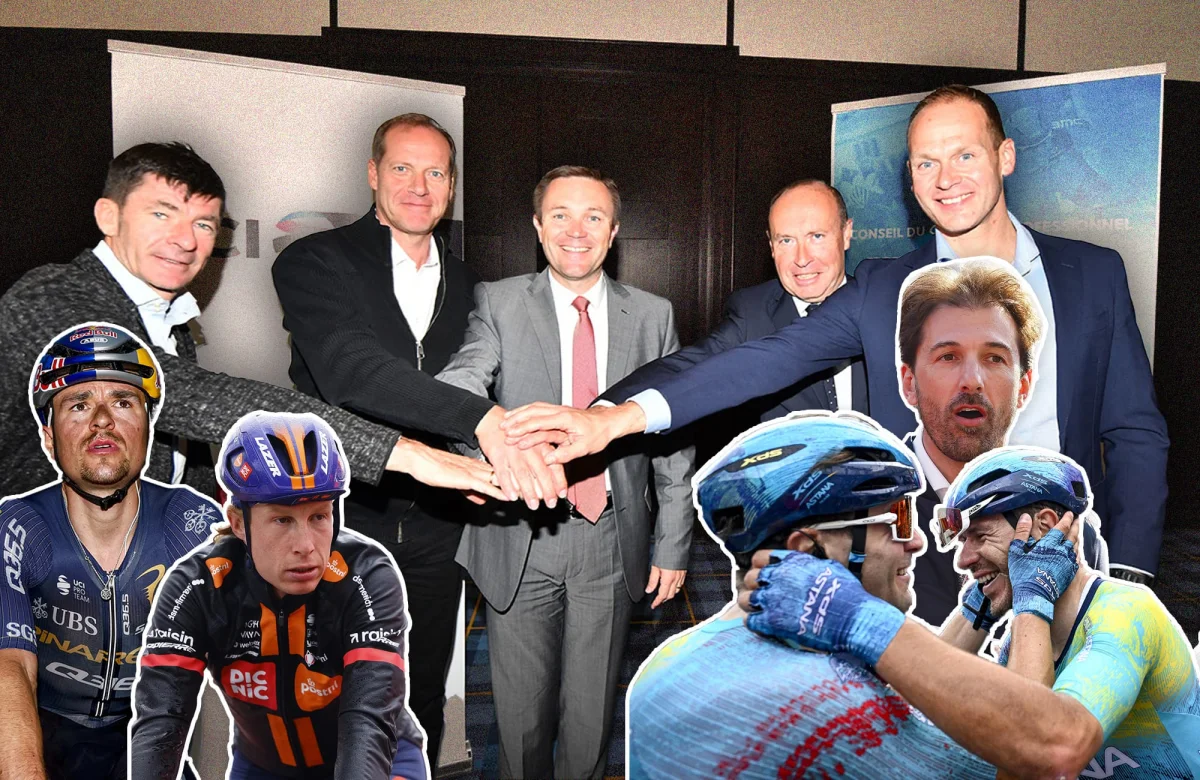
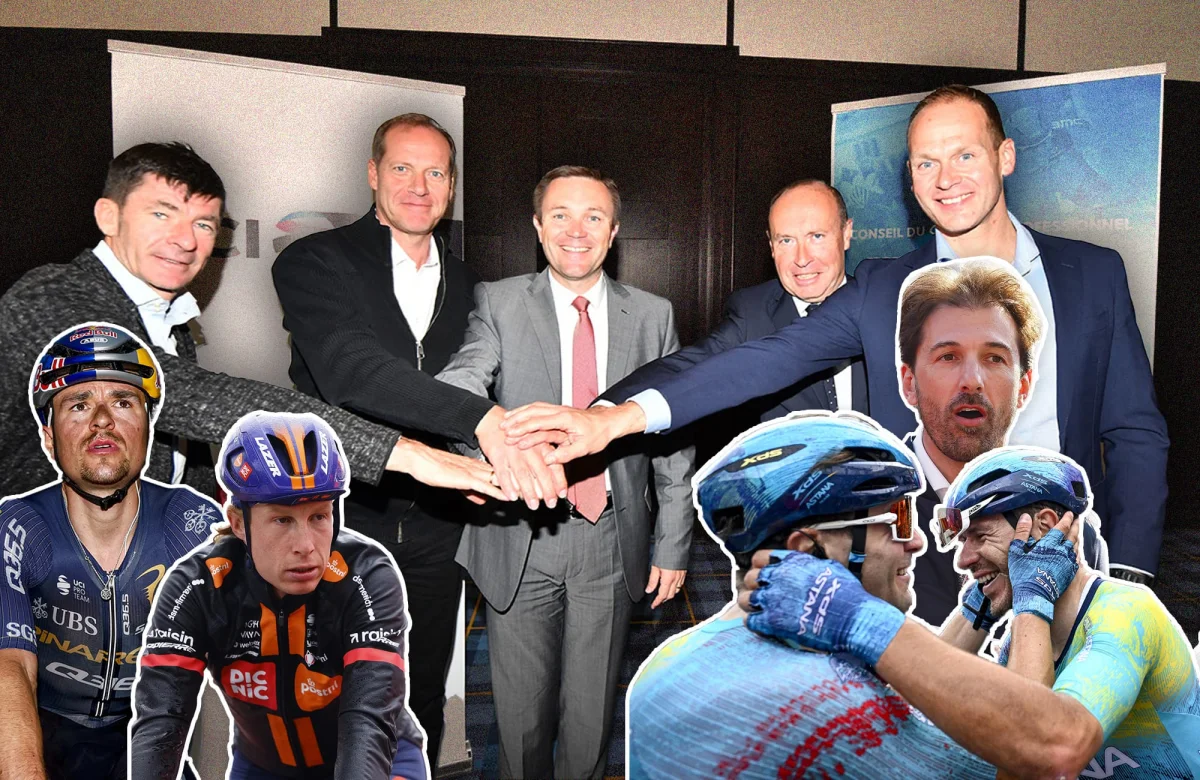
The clearest sign that cycling’s promotion and relegation system had changed the sport wasn’t a results table. It was a team boss telling riders to chase extra points, then warning them not to discuss those points with reporters. With WorldTour status at stake, the arithmetic had reached the team bus.
The briefing, recorded during the summer of 2022 and seen by Escape Collective, captured the tension inside a team facing the final months of the first three-year promotion and relegation period. Management urged riders to keep racing for minor placings, even when a teammate was winning or the team couldn’t take the victory. A rival’s four top-10 finishes had brought in 500 points, the boss said. That haul had become a practical example of how results beyond the top step could matter.
“We need to fight for points,” the manager told the riders and staff on a video call. The instruction was direct: don’t assume a race is settled once the team’s main objective is secured. If there’s another finish to contest, there may be points to collect. That can alter how riders approach the closing kilometres, where a teammate’s win might once have meant the rest of the group eased off.
One ranking, two messages
The same briefing paired that urgency with a carefully managed public line. The boss said he was confident the team would stay clear of relegation, but instructed everyone not to talk to the media about points or strategy. The approved answer was that the team was fighting for wins and that points would follow.
He acknowledged that this wasn’t quite accurate. The distinction matters: under pressure, a team can pursue both victories and the smaller results that build its standing, while choosing to present the effort as a single-minded hunt for wins. The gap between the internal message and the public one showed how uncomfortable the new calculation could be. Points were important enough to shape instructions, yet sensitive enough that management wanted them kept out of interviews.
There was reassurance, too. The manager told staff that even if relegation happened, the team would continue and they shouldn’t start looking for other jobs. That promise gives the episode a second dimension. The stakes weren’t confined to a team’s place on a calendar; they reached the people whose work depended on the team’s future. The boss paired confidence with contingency planning, a sign that the outcome could not simply be waved away.
Results became more than a podium
Before promotion and relegation, WorldTour membership could be understood largely as a matter of continued access to the sport’s highest tier. The system described in the source put sporting performance at the centre of that decision for the first time. Teams could no longer rely only on established relationships to secure invitations to the biggest races; they also had to deliver results.
That shift gives the standings meaning beyond a season’s bragging rights. A podium still carries the clearest statement of a team’s strength, but a top 10 can contribute to the larger task of maintaining status. The 500-point example made that cumulative logic tangible. A single rider’s placing may look modest beside a win, while several riders scoring in one race can produce a substantial return for the team.
There’s a trade-off. When a team asks riders to contest every available finish, the pursuit of the ranking can compete with the usual hierarchy of race goals. A rider may need to keep pushing after the team has secured a victory; a team may value a cluster of strong finishes as well as the headline result. That doesn’t erase ambition. It gives ambition another measure.
A test for the system
The 2022 finish to the inaugural three-year cycle was the first major test of this arrangement. Some teams were only then responding to the risk, trying to gather as many points as possible before October. At the same time, fans were beginning to see that positions outside the podium could carry consequences for a team’s future. The season had acquired another competitive layer, one that could make a race meaningful even when the winner was already clear.
The episode also frames the questions that followed: whether upwardly mobile teams would welcome a route to the top based on results, how established teams would respond to a changed order, and whether the highest-ranked squads would feel the same pressure if they expected to remain safe. The article’s broader question is how much the system had changed cycling after six seasons, including whether fans had felt its effects.
What the briefing already shows is a change in team behaviour. Management could tell riders to chase extra placings, explain why the ranking mattered, and then ask them to describe the effort as a straightforward pursuit of wins. The next measure of the system’s influence is whether those calculations keep shaping race decisions—and whether fans continue to see the standings as part of the contest.