Big Brother Receives 7,138 Complaints After Omar and Rhianna’s Argument
Monday’s episode drew 7,138 complaints as Women’s Aid raised concerns about how the show handles controlling behaviour and contestant welfare.
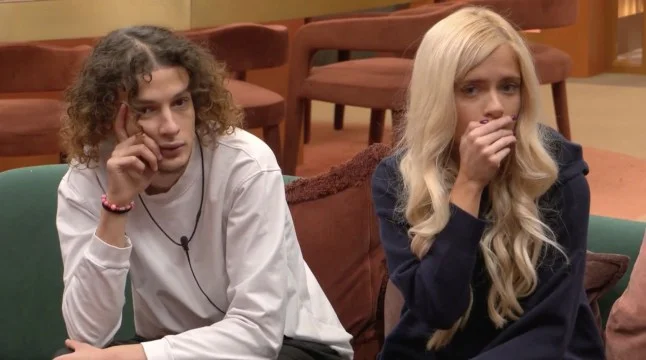
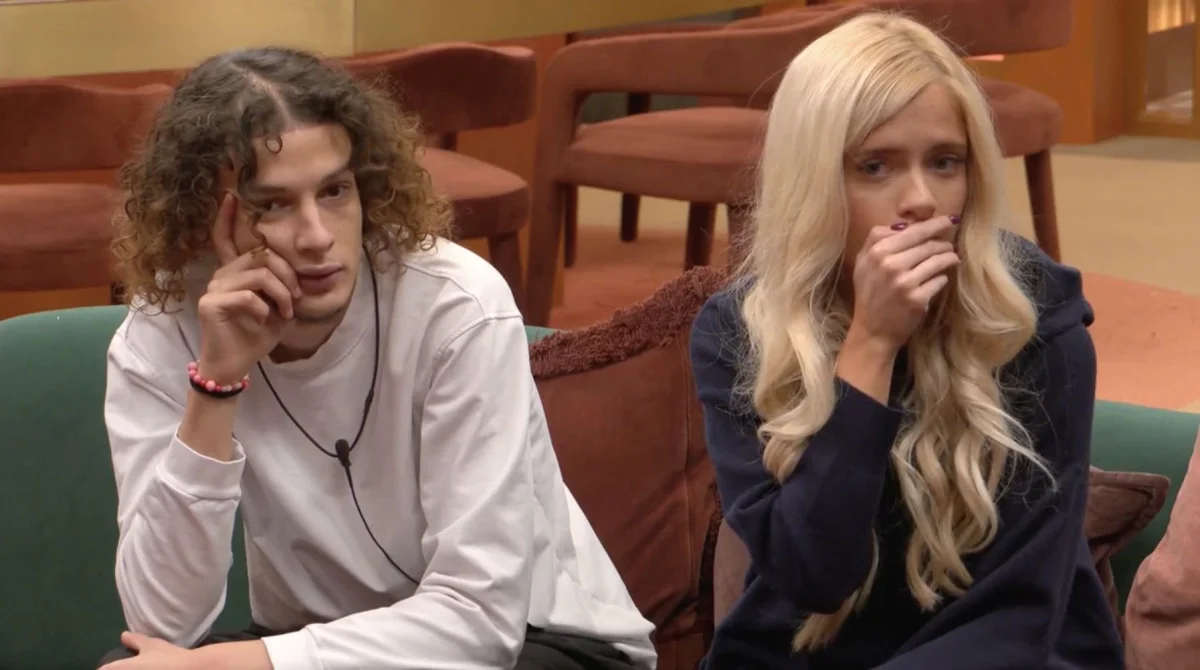
The response to Omar and Rhianna’s argument has become a defining test of how Big Brother handles conflict inside the house. Monday night’s episode received 7,138 complaints, according to figures published by Ofcom. That is far above the previous peak for complaints about this series: 1,191. The figures don’t show how many viewers were specifically reacting to Omar’s behaviour, but the scale of the response puts the programme’s handling of the dispute under sharp scrutiny.
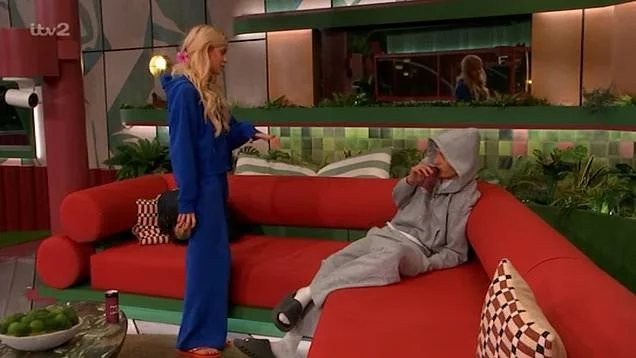
The episode showed Omar, 21, swearing and shouting at Rhianna, also 21, as their relationship broke down. The argument drew further attention when Rhianna made clear she was ending things. Omar replied, “you’ve really f***ed me off by saying what you said.” Later, as she covered her head with her hands, he told her, “look at me, don’t look away from me.” Big Brother then asked Rhianna to go to the diary room, where staff checked on her welfare.
Why the confrontation drew concern
The reaction has centred on more than raised voices. Viewers described Omar’s behaviour as “toxic,” while Women’s Aid said people had contacted the charity after watching the episode. Its concern is that behaviour such as repeatedly putting someone down or isolating them from friends can be an early sign of coercion and control, and may precede other forms of abuse.
Veronica Oakeshott, Women’s Aid’s head of external affairs, said that controlling behaviour can create “invisible chains” and fear that affects every part of a survivor’s life. She warned that presenting conduct of this kind as entertainment risks minimising survivors’ experiences. Her argument is about the framing as well as the exchange itself: when a relationship dispute becomes a major part of a popular programme, the way the show responds can shape how viewers interpret what they have seen.
That leaves a difficult editorial and production question for reality television. Conflict is part of the format, but the people involved are contestants living together under constant observation, and their arguments unfold in front of a large audience. A welfare check after an upsetting exchange matters; so does the broader response, including whether the people affected receive support and whether the programme makes clear that harmful conduct is being taken seriously.
ITV points to training and welfare support
Fans called for Omar to be removed from the house after seeing the confrontation and what they described as his cold manner towards Rhianna afterwards. The programme’s response was to intervene during the later conversation and check on her in the diary room. Those steps are part of the account available from the episode; they don’t establish what further support either contestant received.
ITV said contestants receive respect and inclusion training, along with detailed briefings from senior staff about expected behaviour and language in the house. The broadcaster also said housemates are monitored around the clock, that inappropriate behaviour is addressed, and that a dedicated welfare team is available before, during and after their time on the programme. It described welfare and safeguarding as priorities throughout production.
Women’s Aid has urged ITV and other television companies to work with domestic abuse specialists to help protect contestants. Oakeshott also stressed that the women appearing on these programmes are real people who need real support. That puts responsibility on producers to consider how they prepare contestants, how they intervene when tensions escalate and how they support people afterwards.
A complaint total with limits
The 7,138 complaints mark a clear high for the series so far, but the figure needs careful reading: it covers responses to Monday’s episode, and the available information doesn’t identify how many focused on Omar or the argument. It still signals that the broadcast prompted an unusually strong response, against a previous series high of 1,191.
The episode has brought attention to a gap between a programme’s stated welfare measures and the questions raised by what viewers see on screen. ITV has outlined its training, monitoring and support arrangements; Women’s Aid has called for specialist input and challenged the way harmful behaviour can be presented. What follows will be judged by how those responsibilities are reflected in the treatment of contestants, as well as by what the audience is shown.