Rochelle Rackham’s Big Brother Win Leaves Questions Over ITV’s Handling of Her Conduct
Rochelle won the £100,000 prize despite boos and repeated complaints about her conduct. Twinks’ runner-up reception sharpened the finale’s divide.
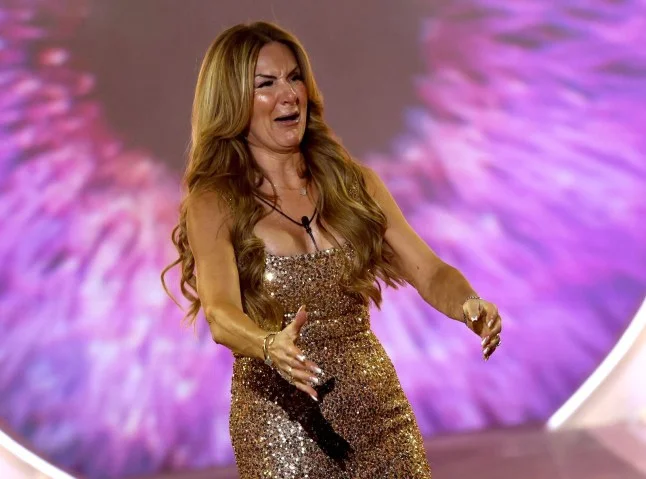
Big Brother’s finale left the series with a striking divide: Rochelle Rackham took the £100,000 prize, while runner-up Lucy ‘Twinks’ Burnett received a roar of support. Rochelle’s win, reportedly backed by an estimated 4.9 million public submissions, raises questions about what the programme chose to show and how viewers weighed the behaviour they saw.
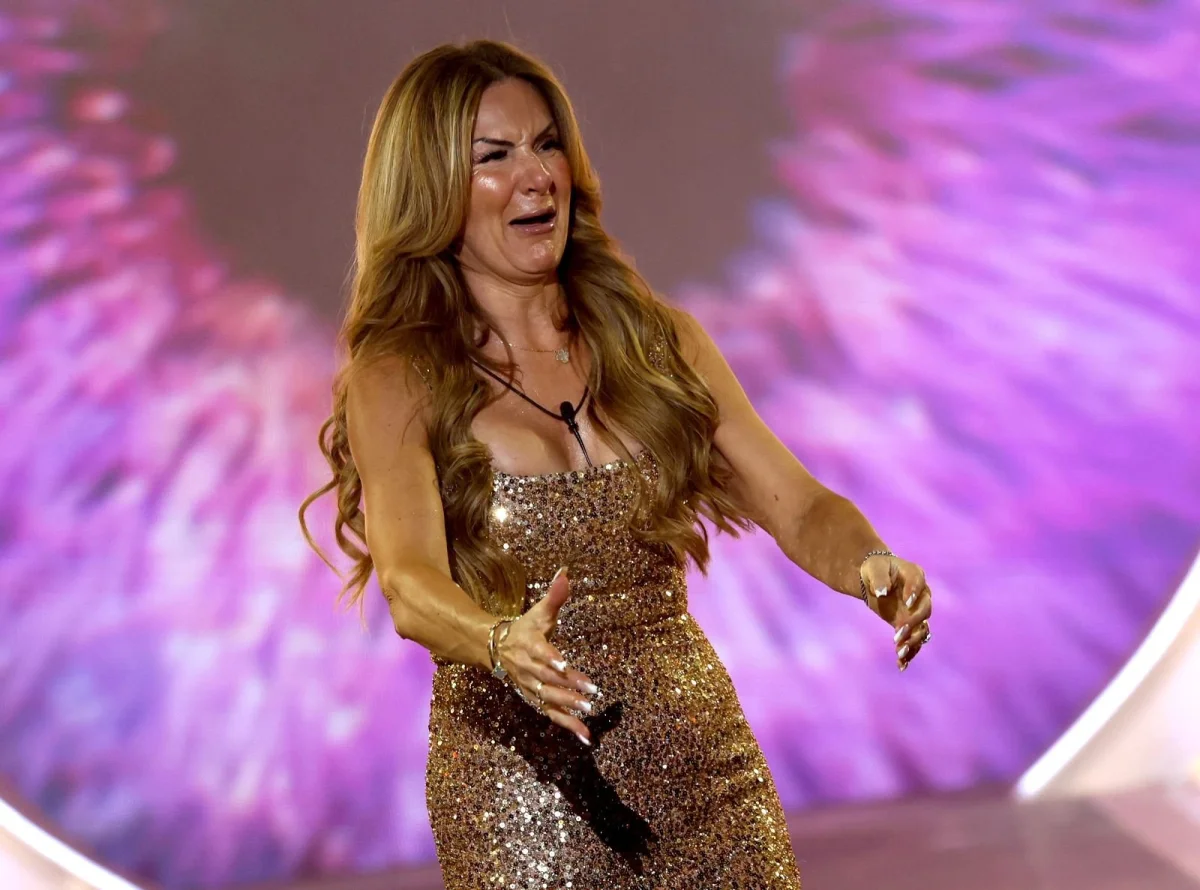
Rochelle left the house to boos from the studio audience and fellow contestants. During her exit interview, hosts Will Best and AJ Odudu had to ask the crowd to quiet down so they could be heard. The reaction was a sharp contrast with the reception for Twinks, whose supporters chanted that she should have won and held signs declaring their affection for her.
The contrast matters because the final had seemed to narrow to those two contestants. Twinks had made support for trans rights and feminism part of her public identity; Rochelle had become one of the season’s most divisive housemates. The audience response did not change the result, but it made clear that the winner’s popularity inside the voting public did not translate into approval from the room at the finale.
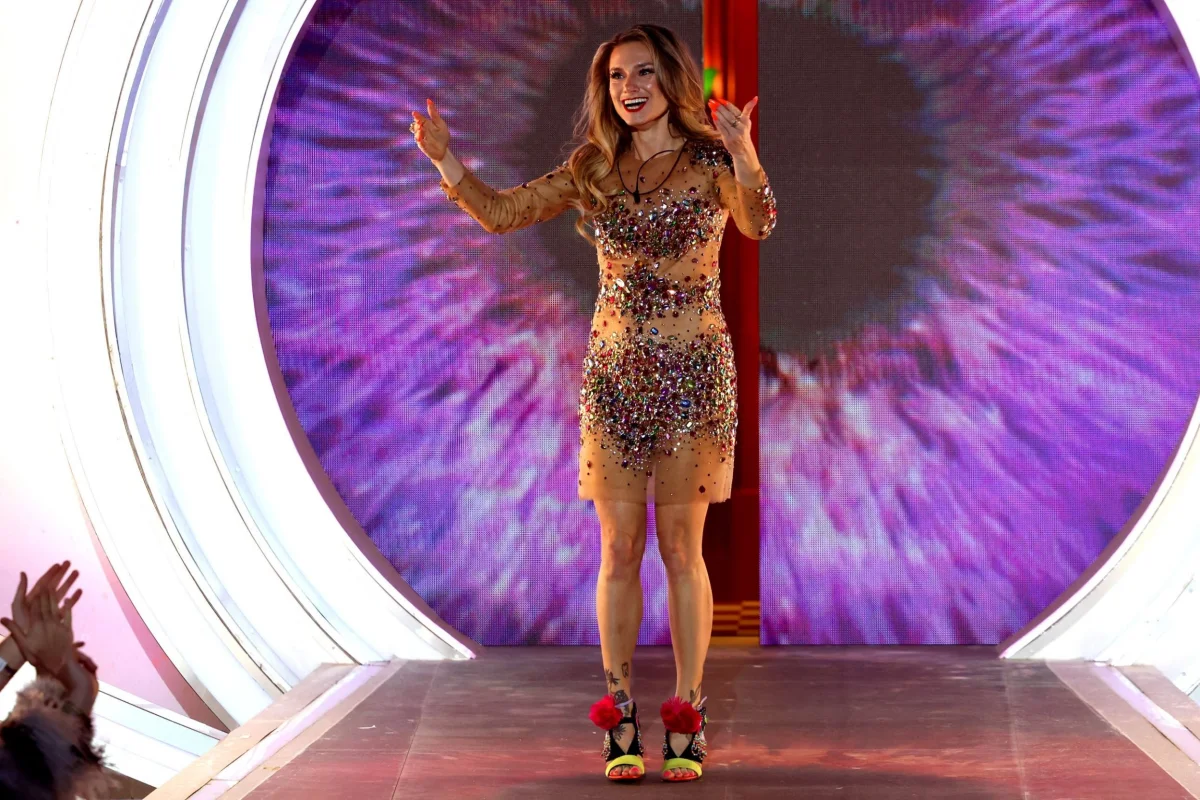
Twinks’ difficult time in the house was shaped, the source argues, by Rochelle and fellow contestants Philip Reagan and Rhianna Collins. It describes a pattern of whispering about Twinks within earshot while keeping the remarks just unclear enough to leave her unable to follow them. That kind of social exclusion can define a contestant’s experience as powerfully as an open argument, particularly when it persists over the course of a series.
The sharpest questions, though, concern what viewers were not shown. Housemates reportedly referred to an offensive remark by Rochelle that changed how they saw her, but the programme did not air it. If the comment was serious enough to prompt others to distance themselves, its absence leaves viewers unable to judge that turning point for themselves. The programme has not answered why the remark was kept out of the broadcast.
That gap sits alongside a series of incidents that did make it to air. In the first week, Rochelle told Charlotte Nott, who lost the lower parts of her arms and legs to bacterial meningitis as a toddler, that she had felt “scared” when she first saw her. Rochelle was also reprimanded over jokes about Yasmin’s weight, though the article characterises the response as mild.
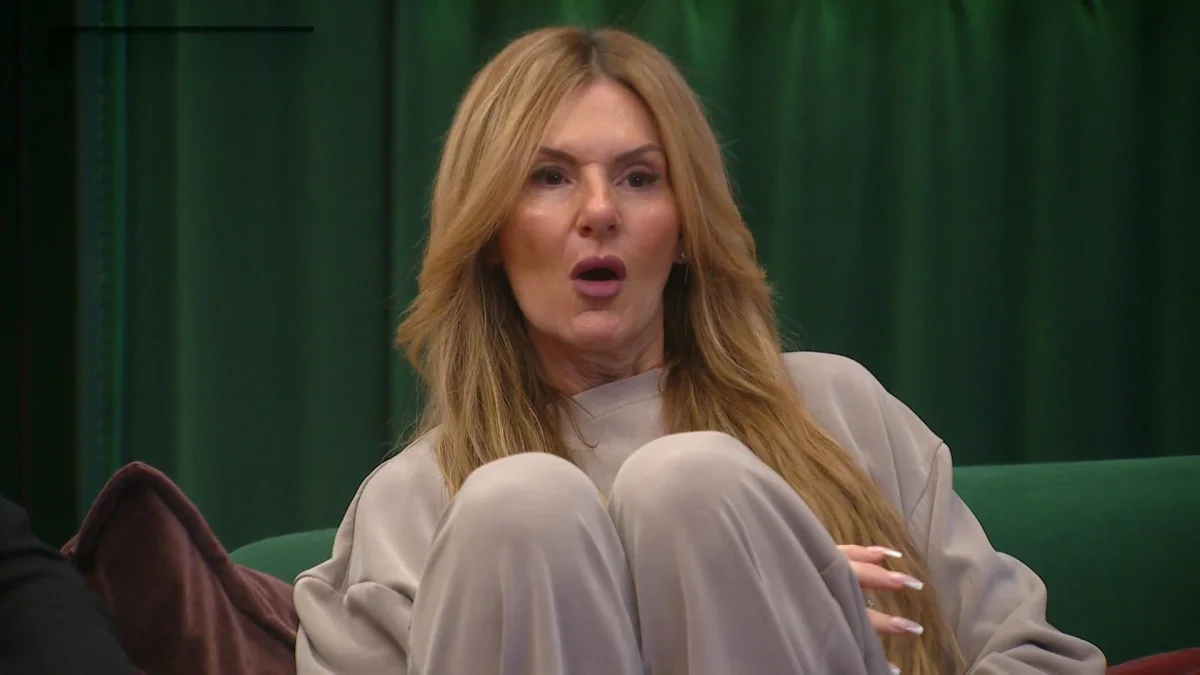
Outside the house, an earlier Facebook post containing a racist remark about Muslims drew criticism. A family source said Rochelle regretted sharing it and would not want to cause anyone hurt or upset. During the series, she also told housemates, “I wouldn’t be happy with a transgender in the toilet with me.” The article says Big Brother did not challenge that comment, despite the show’s longstanding association with LGBTQ+ audiences.
Those incidents form the basis for the article’s argument that Rochelle was repeatedly given opportunities to reconsider her language without showing much change during the eight weeks in the house. In her finale interview, she promised, “I’m going to be more tolerant.” Whether that pledge leads to reflection is now for Rochelle to demonstrate outside the house. The result alone can’t settle the question of what she learned.
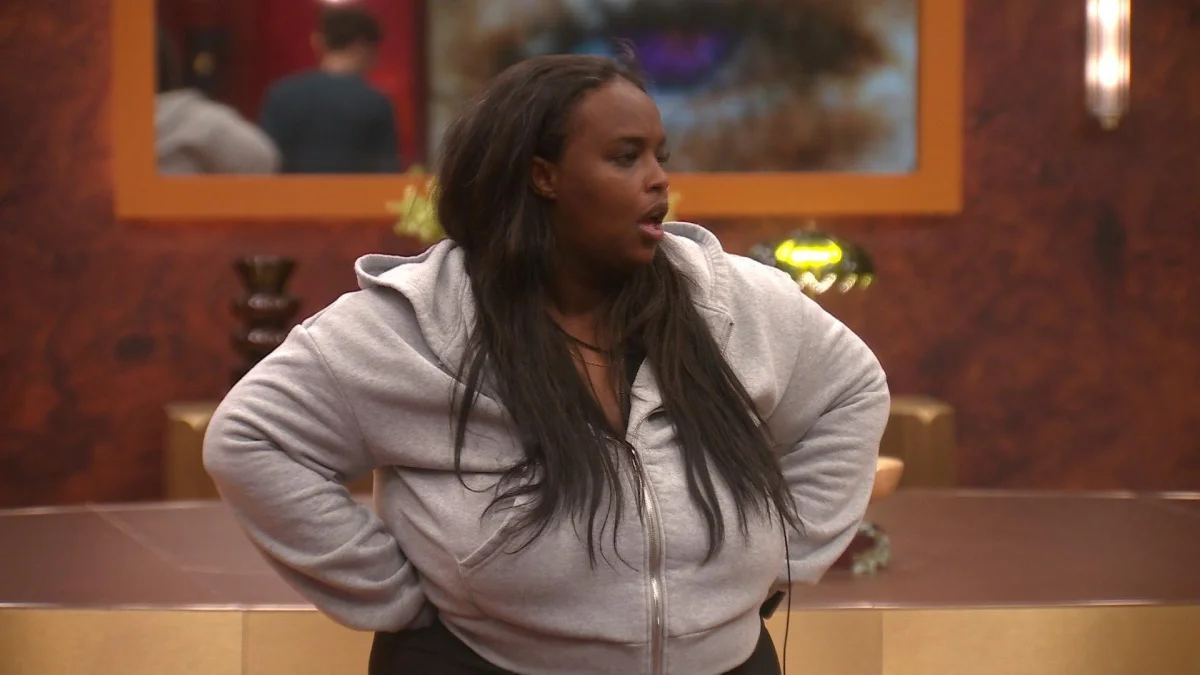
The central issue for the programme is its handling of the gap between contestants’ conduct and the audience’s understanding of it. A popularity contest depends on viewers seeing enough to make an informed choice. When a significant remark is withheld, the show risks leaving contestants and viewers to interpret the fallout without the context that caused it. That makes transparency part of the format’s credibility, not a minor editing question.
The finale also leaves a difficult message for viewers who saw Twinks as a warmer alternative. She was celebrated as she left, while Rochelle collected the prize; the gap between those reactions captured two sharply different readings of the season. The original writer sees Twinks as embodying hope, feminism and kindness, and Rochelle’s win as a reward for cruelty. That is a forceful interpretation, though the result alone cannot establish why individual viewers chose as they did.
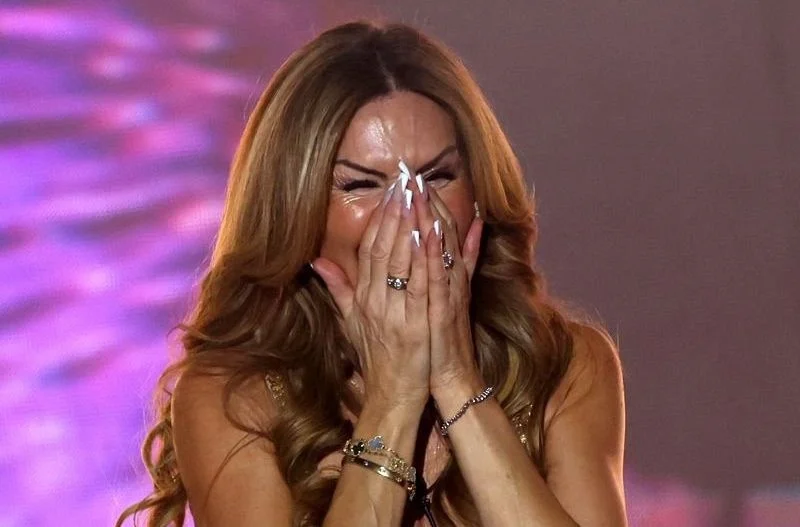
For Big Brother, the ending leaves two tests beyond the final result: whether Rochelle’s promised greater tolerance is reflected in how she acts next, and whether ITV explains why the unaired remark was withheld. Twinks’ reception showed how strongly viewers can rally around a contestant. Rochelle’s win showed that boos and controversy do not necessarily prevent a housemate from taking the title. The programme’s answer to the missing context may shape how viewers remember this season.