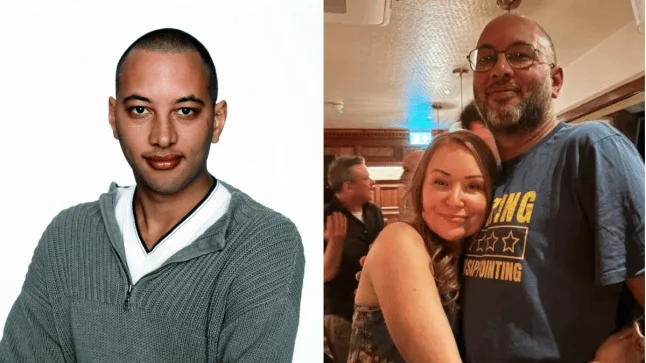
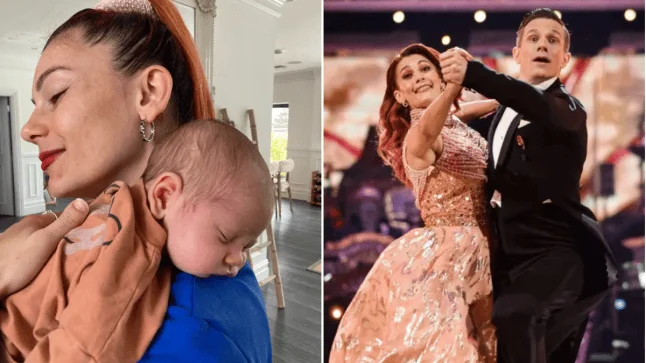
Trish Balusa Says ITV’s Big Brother Double Standard Led Her to Sue
The 2023 contestant says she’s pursuing ITV over her treatment, arguing its response to allegations against winner Rochelle Rackham shows a double standard.
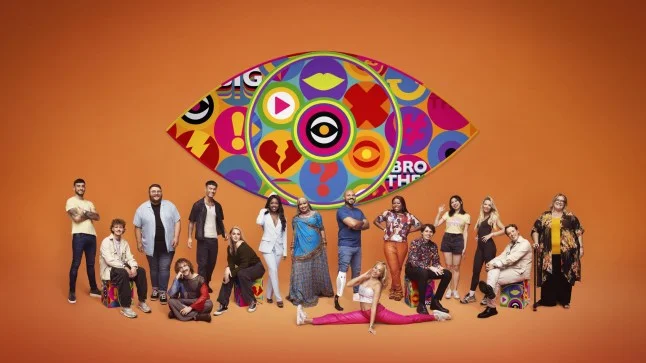
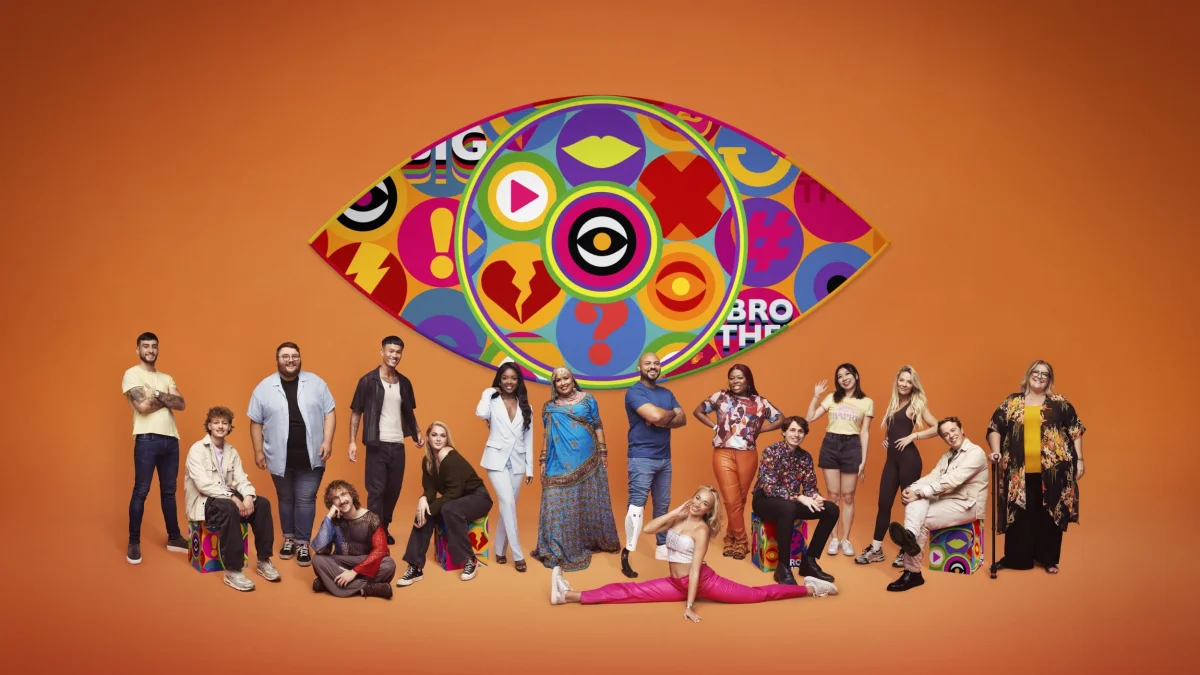
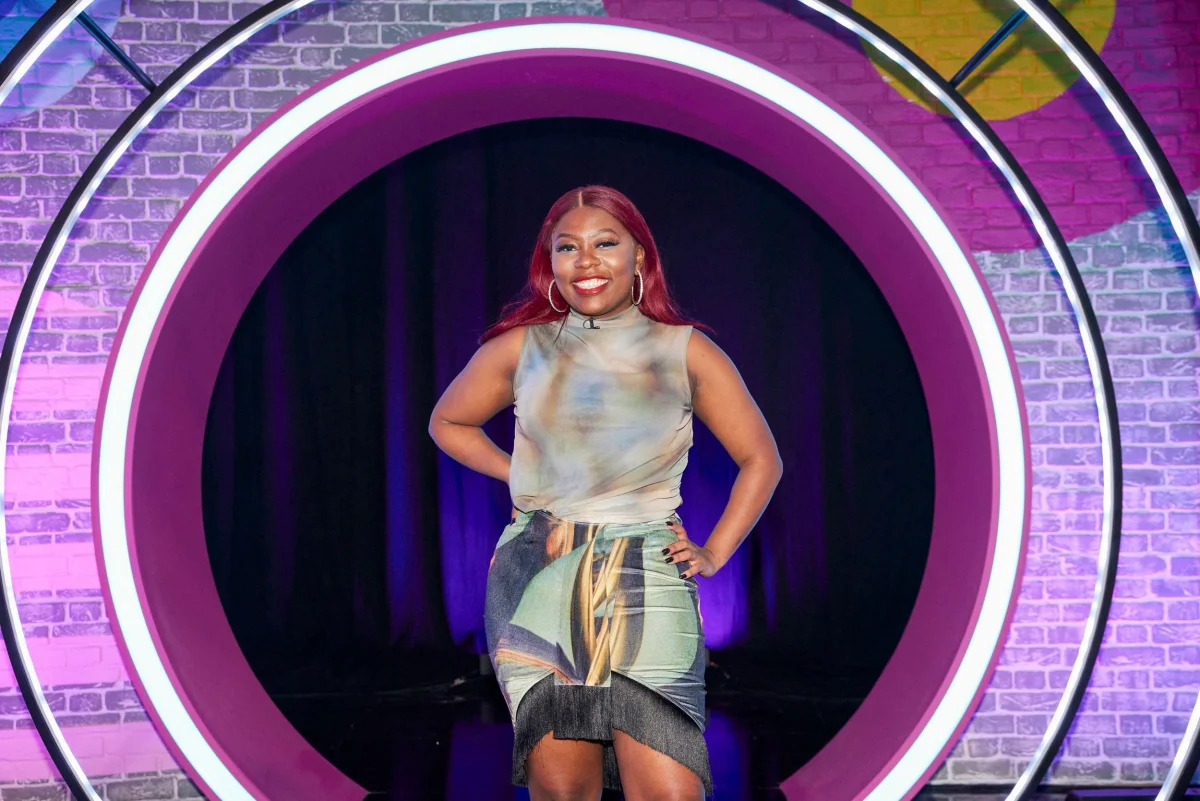
Trish Balusa says the difference between how ITV treated her after her 2023 Big Brother appearance and how it handled allegations about this year’s winner, Rochelle Rackham, has brought her back to the question of accountability. She says she has filed a lawsuit against ITV and its production companies, accusing them of negligence, breach of contract and misrepresentation.
Her claim follows Rackham’s win last week. Balusa believes the broadcaster responded differently to allegations of racist behaviour involving the two contestants. That comparison is at the centre of her public criticism, though the allegations about Rackham described in reports have not all been aired or independently established.
Balusa finished eighth in Big Brother’s 20th series, leaving on day 35 during a double elimination. After her eviction, social media posts she had written roughly a decade earlier resurfaced. She apologised, saying she was embarrassed by the views expressed. ITV later withdrew her invitation to the live final, and she was left out of post-eviction appearances.
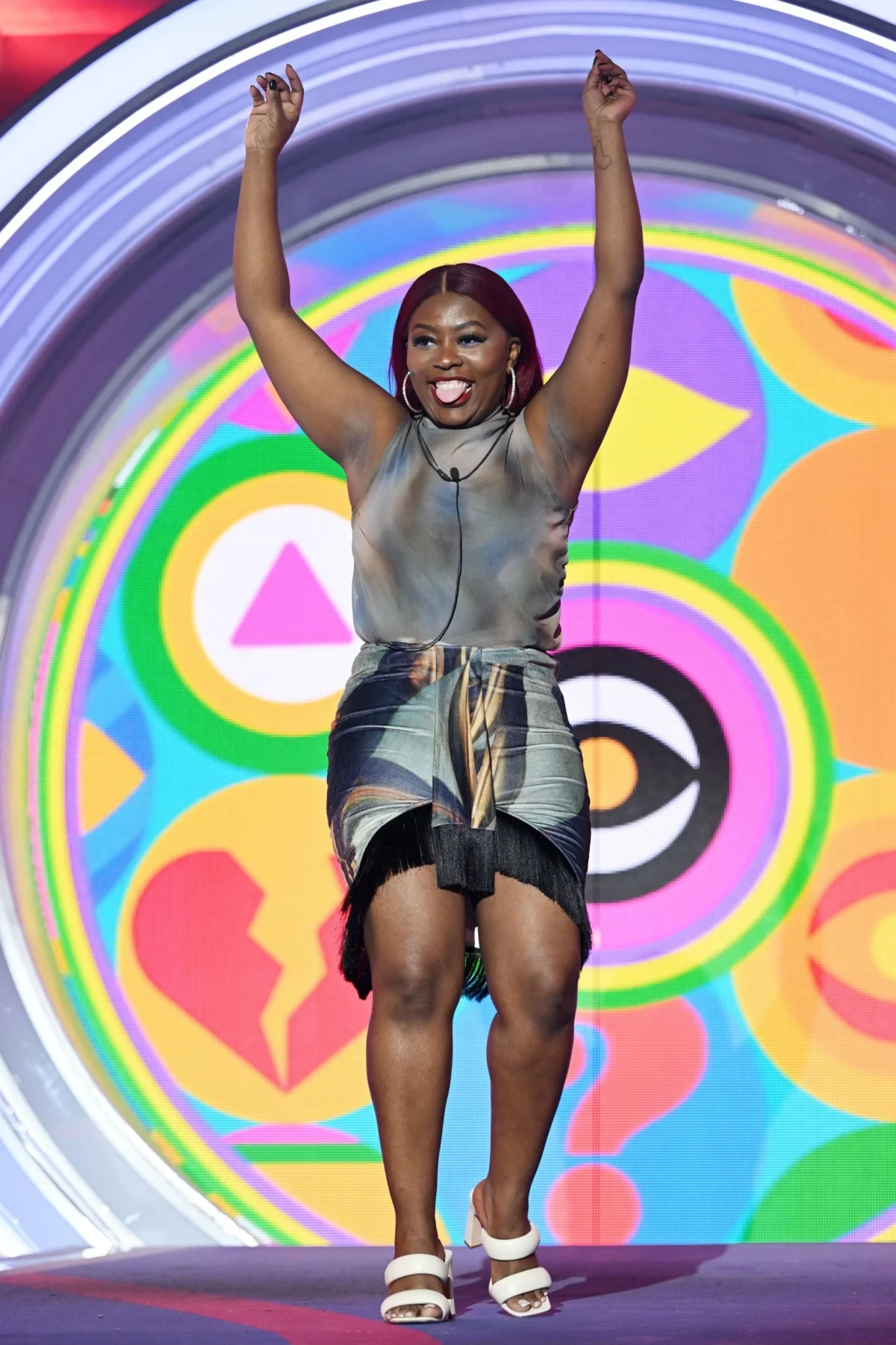
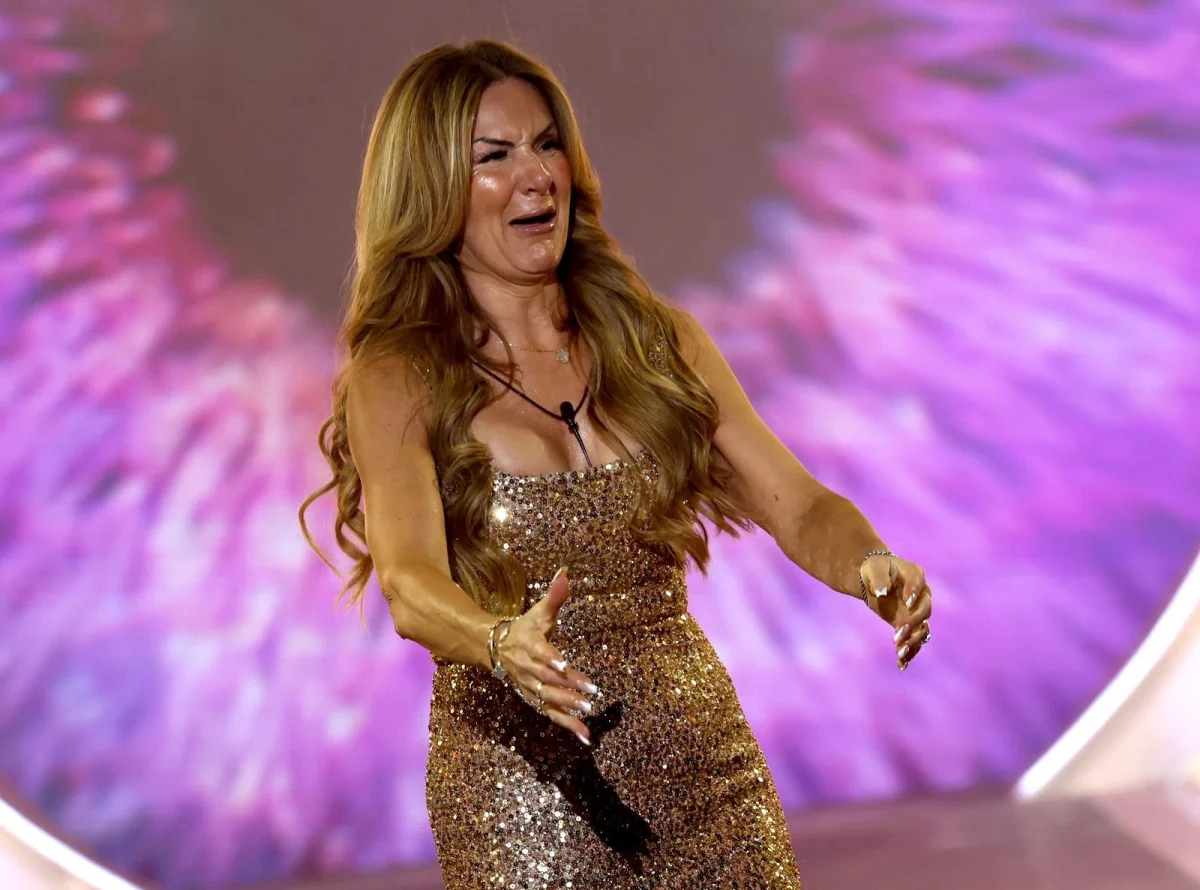
In a statement to Reality Tea, Balusa said the show had illustrated how race and identity shape whether people are treated fairly and with humanity. She described the response to her old posts as relentless, and said the support she received at the time was inadequate.
“Now I’ve watched a contestant face allegations of discriminatory behaviour, past and present, and be protected, defended and, ultimately crowned by the very public that demanded accountability from me,” she said. She argued that duty-of-care training should apply to production teams as well as contestants, and said producers must be held to the same standards.
Balusa also outlined what she believes production companies owe participants: protection from harmful behaviour by others, an informed and adequate vetting process, and consistent disciplinary procedures. If those responsibilities are neglected, she says, production companies should be held accountable. She described her experience as “gaslit” and said recent events had left her feeling vindicated.
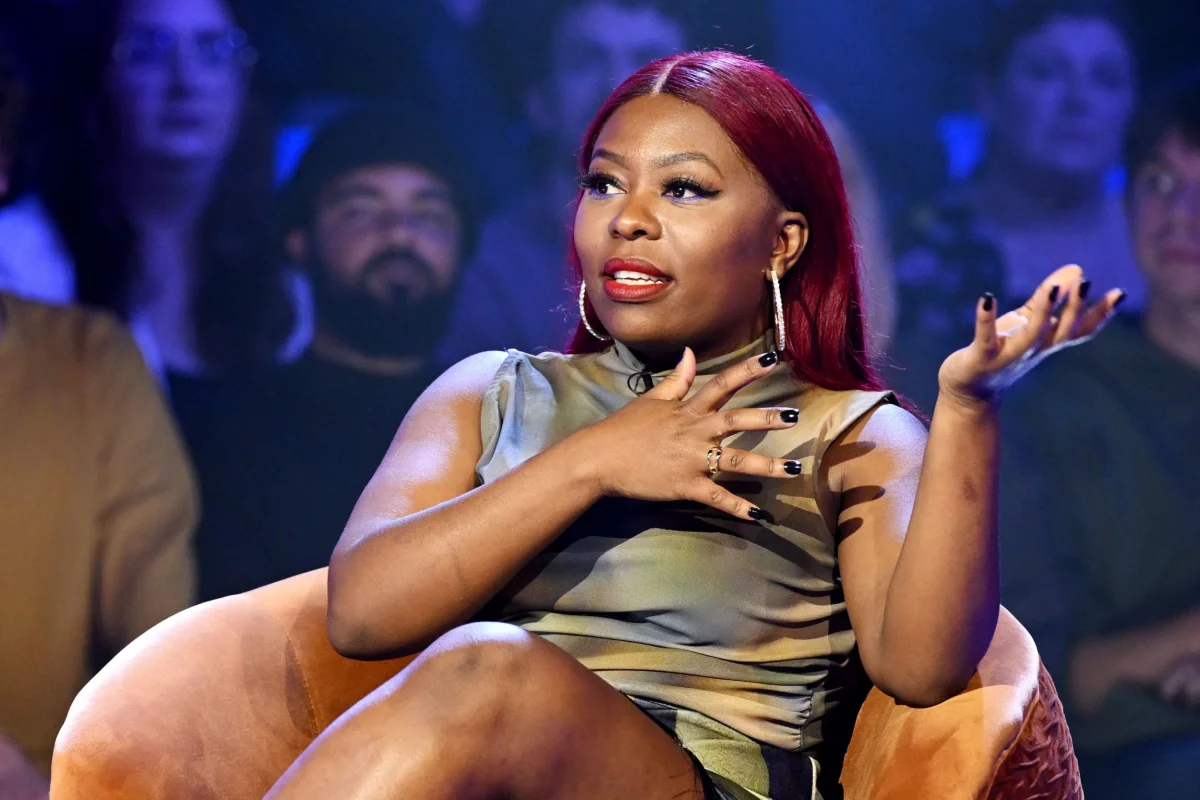
“The accountability everyone demanded of me must now apply to others,” she said. Balusa called the experience an ongoing psychological turmoil and said she hoped the case would prompt change in duty of care, race relations and reality television.
At the time of her apology for the old posts, she said she was sorry for harmful stereotypes and the pain they had caused marginalised communities. She said she had since learned more about the impact of those views. Balusa also spoke about needing to discuss the controversy with her young son, and about having a difficult conversation with her brother, who is transgender.
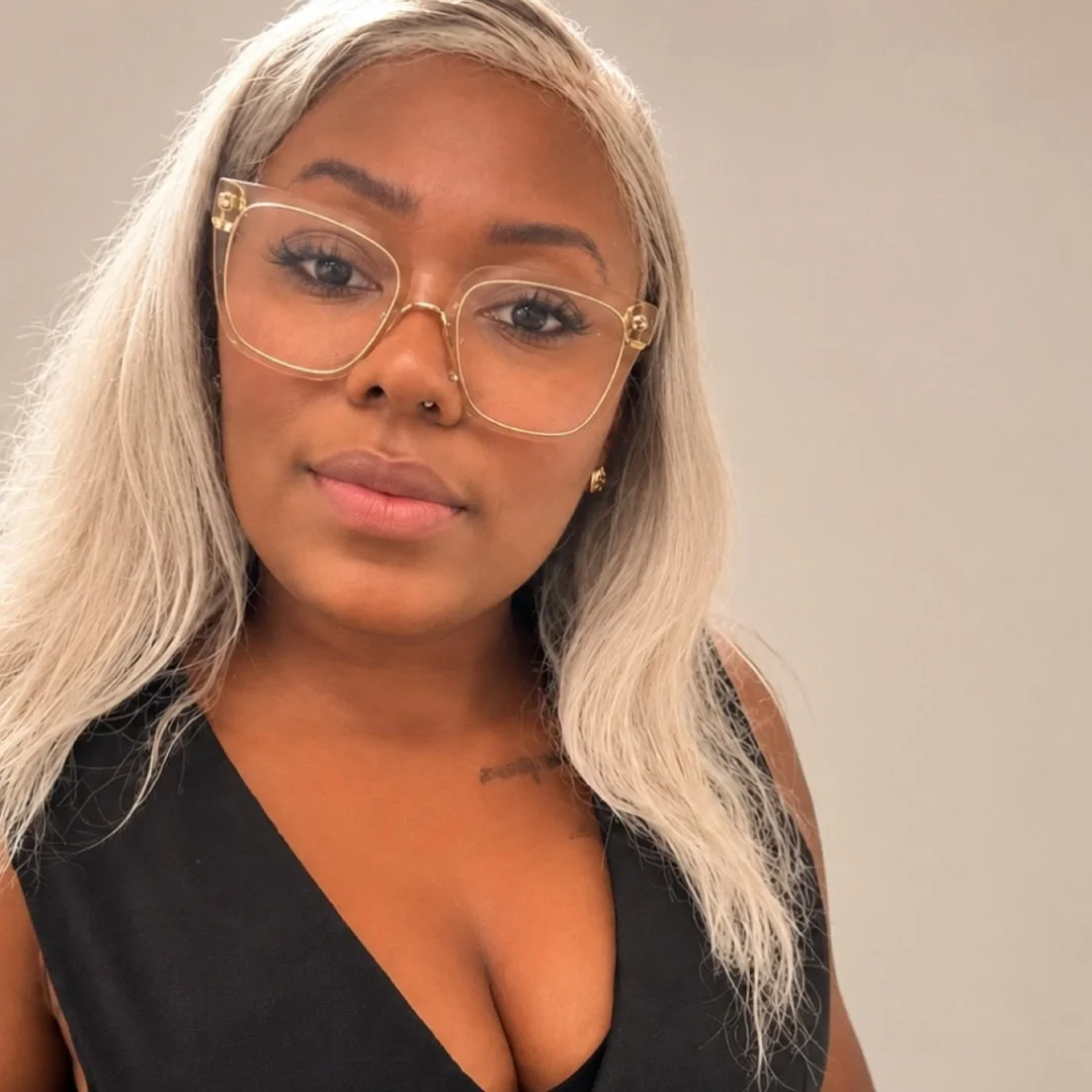
“One day I am going to have a conversation with my son about stuff like that,” she told Indy100. She said she would also need to speak with people from communities hurt by her past comments, acknowledging that she had helped perpetuate views that were painful to others.
Balusa had raised concerns about her own treatment before. The following year, she alleged she had experienced discrimination both inside and outside the house and escalated her complaint to Ofcom. In 2024, she told Reality Tea she was seeking legal representation and expected the matter to go to court. She said pursuing justice mattered to her, her son and her family, who had been affected.
The comparison Balusa draws comes amid a separate dispute over Rackham’s conduct on and off the programme. During the current series, Rackham, 57, clashed with housemate Johanne Cade, who said one exchange felt “like a microaggression.” After that clash, viewers made almost 500 complaints to Ofcom accusing Rackham of racism and bullying.
Reports have also described remarks that were not included in the broadcast. A source quoted by The Sun alleged Rackham made an offensive comment about Chinese people during a conversation about takeaway food. Another account, also reported by the tabloid, concerned a story Rackham told housemates Lynx Noumey and others about seeing a Black man on a train who was “acting weird and muttering to himself.” The source said Noumey challenged her language, and that Rackham apologised several times and said she had not intended offence.
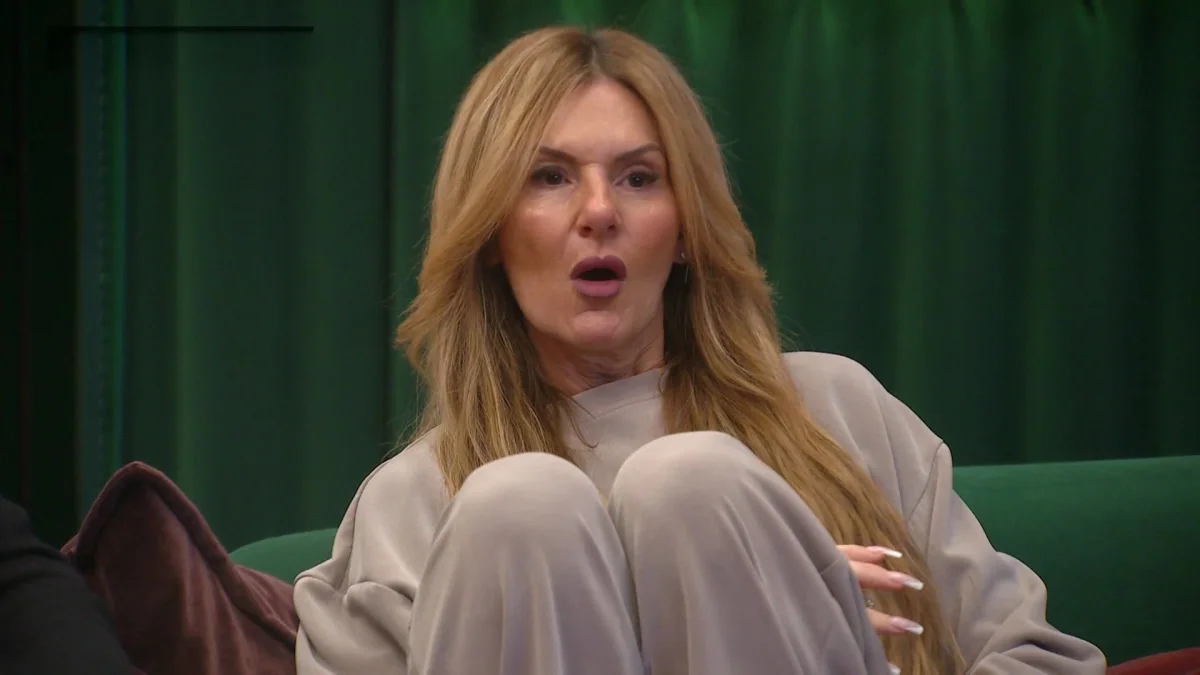
Rackham has also faced criticism over comments about 19-year-old Millie described as fat-shaming, and remarks to housemate Charlotte about amputees. Outside the house, a social media post targeting Muslims was reported to have resurfaced. A family source told Metro that Rackham had reposted a meme 11 years earlier, later deleted it after learning it could cause offence, and regretted sharing it. The source said the language did not reflect her values.
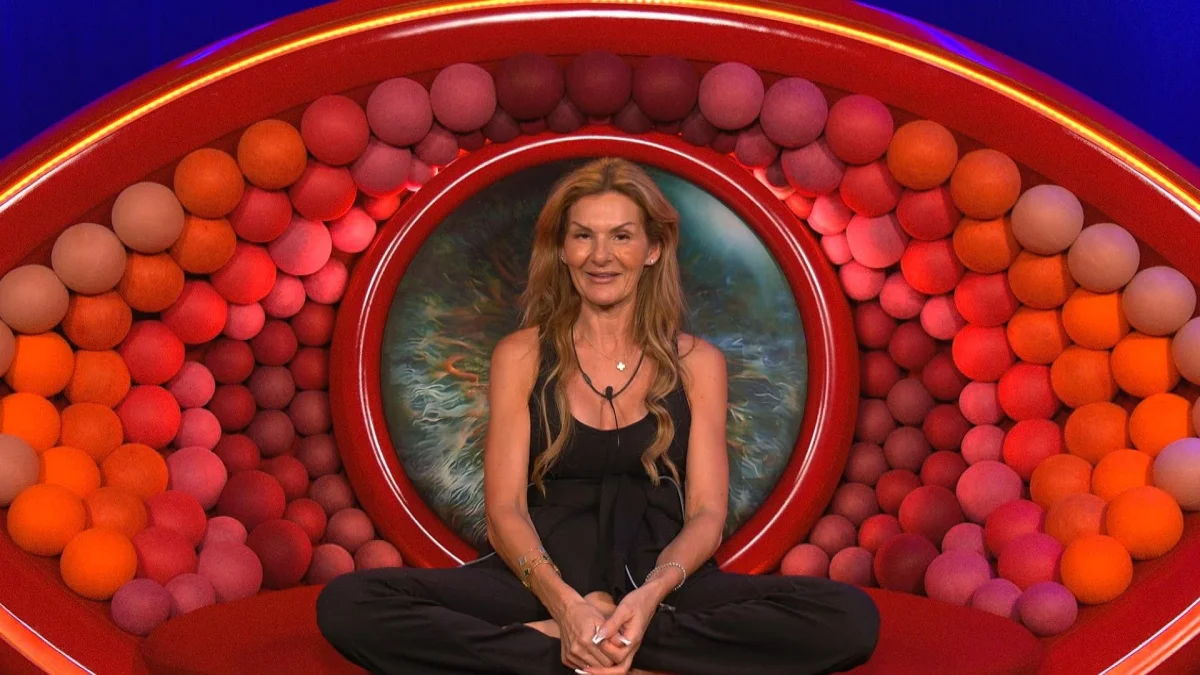
It has been claimed that ITV knew about the post and allowed Rackham to remain in the house. The broadcaster’s response to Balusa’s new lawsuit will matter, but the central issue she raises is broader: whether production decisions and support for contestants meet the same standard when allegations surface. Metro has contacted ITV for comment on this story.