Giant Anthem Advanced SL 2 Review: Smooth Suspension, Confident Descending
The 11.55 kg Anthem pairs supple 120 mm suspension with sharp technical climbing and capable descending, though its cockpit and wheels have drawbacks.
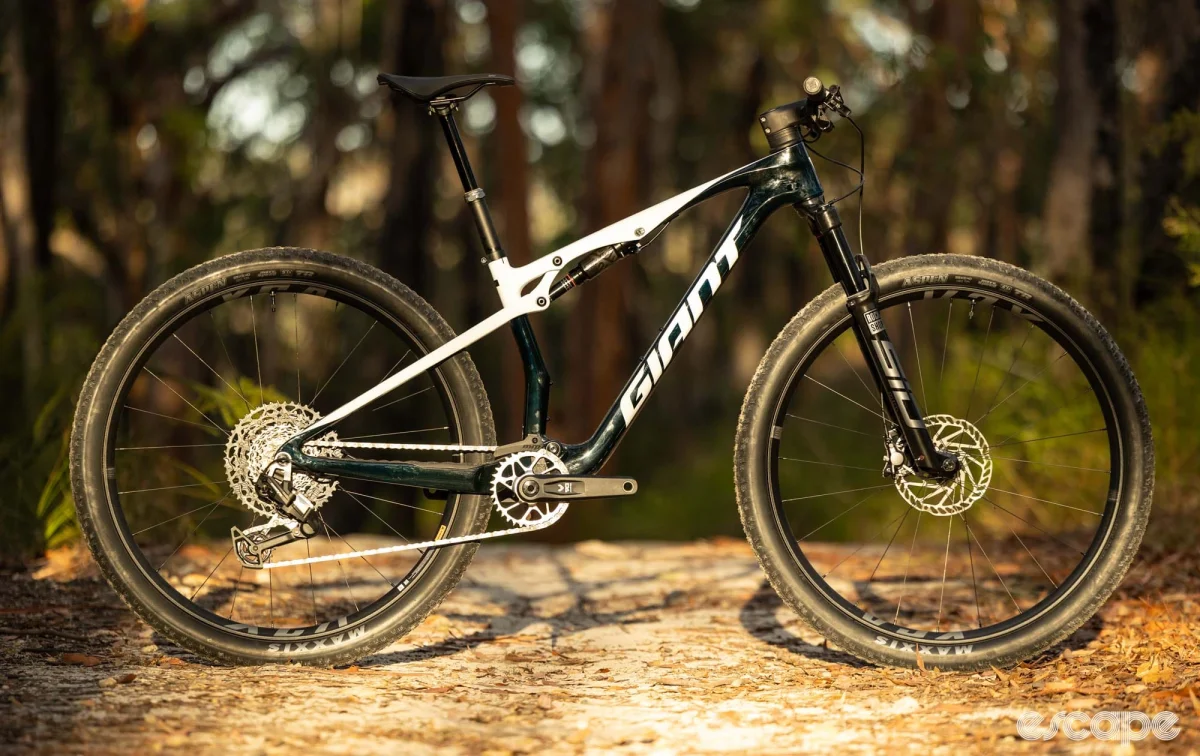
Giant’s 2026/2027 Anthem Advanced SL 2 makes its case through ride quality rather than a headline weight claim. At 11.55 kg without pedals or bottle cages, it’s competitive for a cross-country bike, but the more telling feature is how its suspension stays composed over rough ground. The result is a race-focused machine that climbs with control and descends with more confidence than its category might suggest.
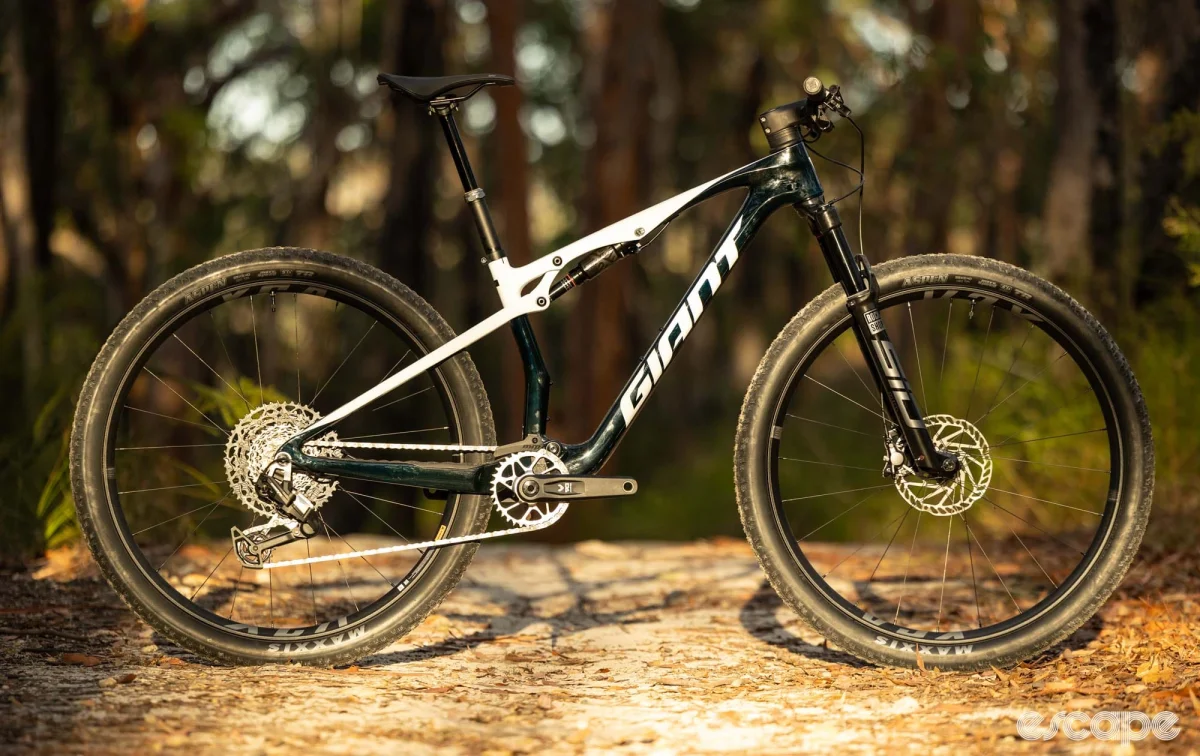
This review follows earlier first-ride impressions with extended time on the more affordable Advanced SL 2. The tested 2026 model costs US$5,600 / AU$8,500 / £5,300. For 2027, the listed change is a switch to Giant’s Switch AT dropper post. The reviewer’s verdict is strong, with reservations around the cockpit, grips, wheels and the dropper fitted to the tested version.
A new shape for the Anthem
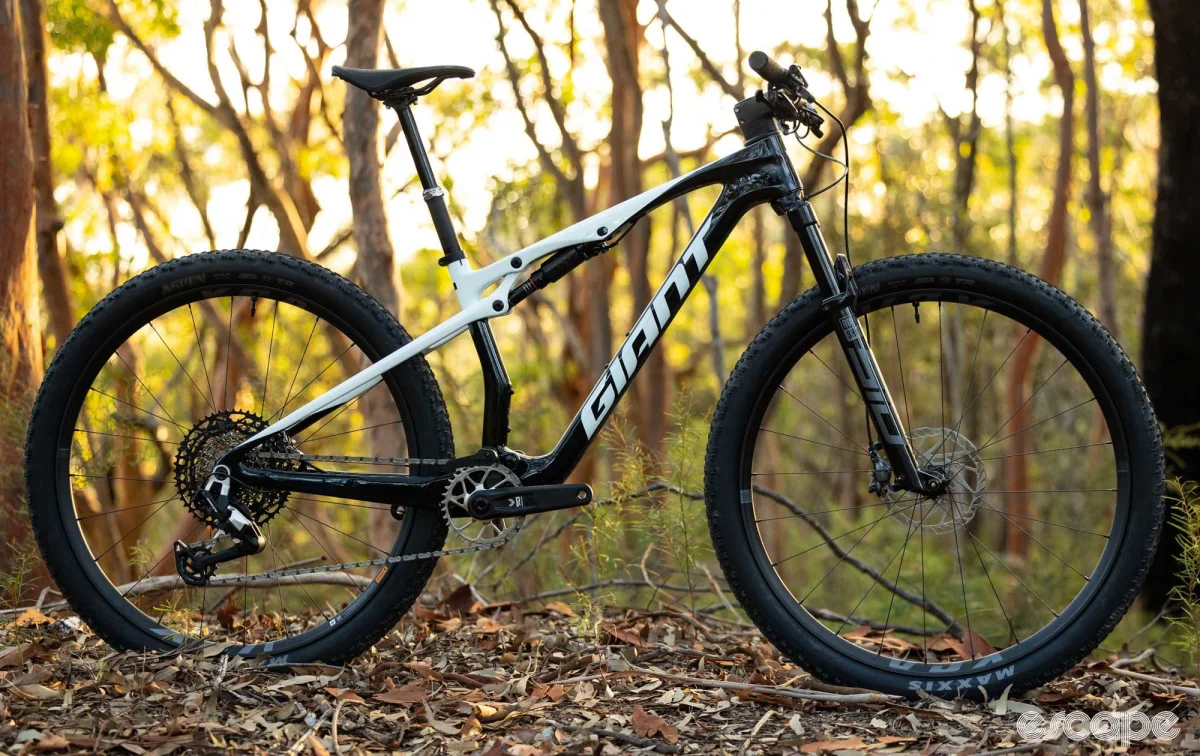
The redesigned Anthem retains the flexstay layout used by its recent predecessors, but moves the rear shock from its long-standing position along the seat tube into the top tube. That shift opens room inside the front triangle for two bottles and brings the frame closer to the layout now common among cross-country rivals.
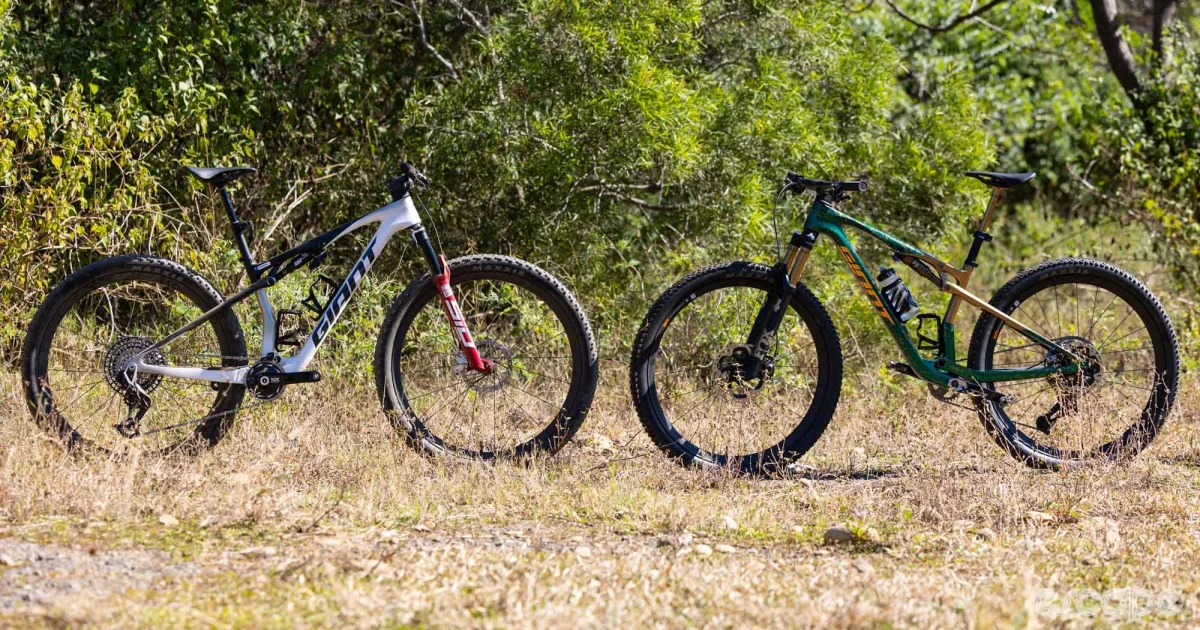
Giant offers the platform in two distinct versions. The standard Anthem is built for racing, with 120 mm of travel at both ends, 29-inch wheels and remote suspension lockouts or, on some builds, Flight Attendant. Its race credentials were already established before release: Alan Hatherly won a World Championship title on the platform.
The Anthem X takes a more relaxed approach. It pairs Fox suspension with a 130 mm fork, skips remote lockouts and adds a down-tube storage hatch, beefier tyres and a slightly shorter stem. The two models share the broad platform, but their equipment points toward different priorities on the trail.
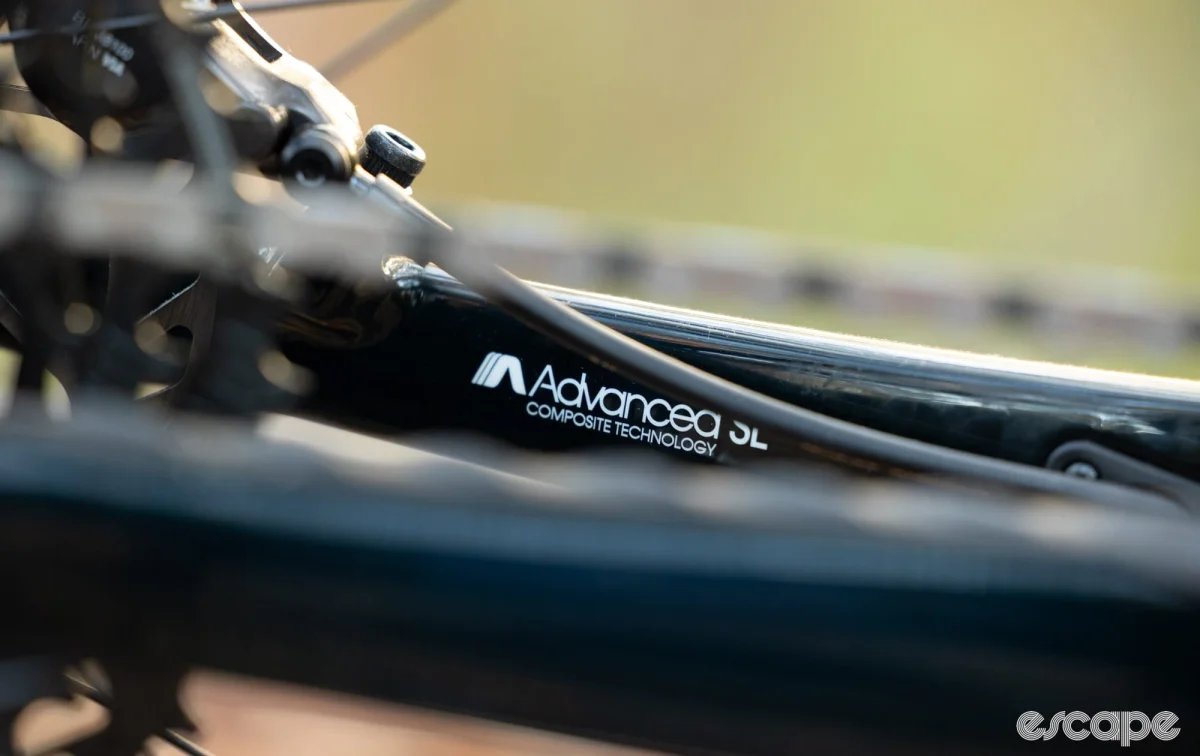
Both launched with Giant’s Advanced SL frame, the brand’s top carbon offering. Giant describes this range as its equivalent to premium frames from other major manufacturers. Its manufacturing process uses semi-rigid mandrels and robotic placement of carbon pieces, giving the company more control over material consistency and allowing it to reduce the amount of carbon used.
The bare Advanced SL frame is claimed to weigh 1,530 g in a medium, without hardware or rear shock. With those parts installed, the frame comes in a little above 1,800 g. That’s a competitive figure, although the Specialized S-Works Epic 9 is claimed at 1,589 g with its rear shock. The Yeti ASR Turq, Orbea Oiz OMX and previous Epic 8 sit close enough to the Giant in weight that the difference is roughly comparable to an energy bar.
Giant has since added an Advanced Pro option in selected markets. It uses the same mould and frame features as the Advanced SL, while less costly materials and simpler manufacturing add weight. The review’s central point remains that frame weight alone doesn’t explain how the Anthem rides.
Suspension built for control
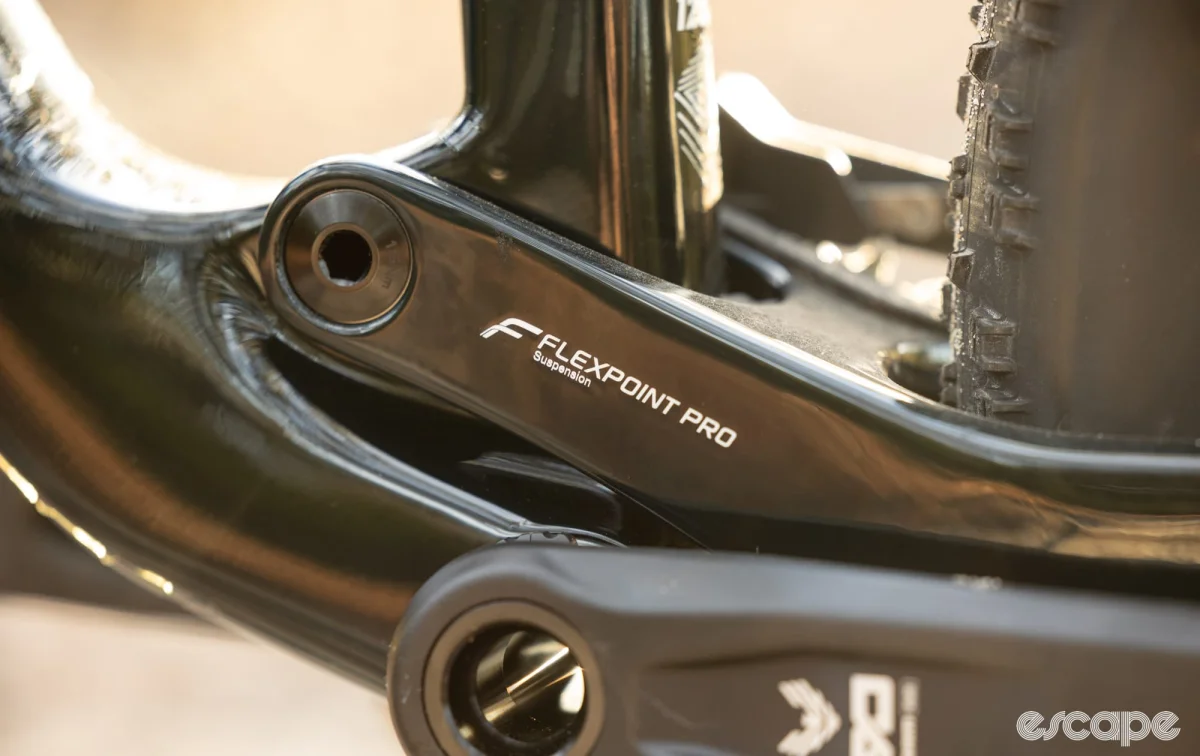
Giant’s FlexPoint Pro system is intended to limit how much frame flex affects the shock’s action. The company also sought to reduce the high leverage rates common on cross-country bikes. The Anthem uses a 210 x 50 mm shock, longer than the 190 x 45 mm size often found in the category. That gives the air spring more volume and, in Giant’s design, supports a supple, linear feel across the bike’s 120 mm of rear travel.
The shocks aren’t exclusive to Giant, but the company worked with RockShox for Anthem models and Fox for Anthem X models to produce a medium air volume. In practice, the reviewer highlights a consistent suspension feel and strong small-bump comfort. Those traits support the bike’s technical climbing as well as its descending: the rear end can track rough ground while the rider maintains momentum and control.
The bike’s low bottom bracket contributes to its planted handling, particularly on descents. It’s also a trade-off worth considering on technical climbs, where pedal clearance can matter. The review suggests that shorter cranks could better suit the low position.
A complete package, with a few compromises
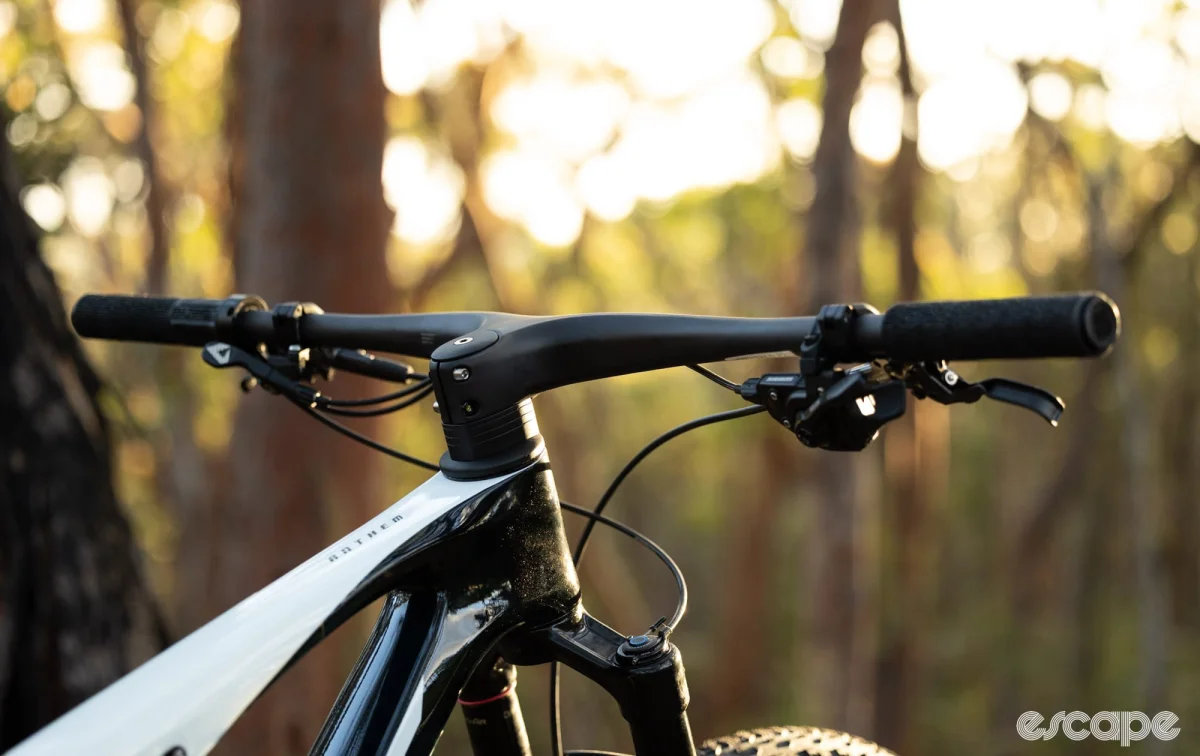
Giant treats the Anthem as a full build rather than simply a frame for other parts. The range includes carbon or alloy wheels depending on model, a two-position dropper and a one-piece cockpit designed to route cables through the headset area. Giant says its focus on these components, alongside frame stiffness, contributes to pedalling efficiency.
That integration has a cost in day-to-day experience. The cockpit’s cable routing and one-piece handlebar arrangement may divide riders, especially with several cables passing through the headset. The grips are slippery, and the tested bike’s dropper post earns a lukewarm assessment. Its wheels also make more noise than the reviewer would like. The 2027 move to the Switch AT post addresses one of those specification concerns.
Other details include clearance for 29 x 2.4-inch tyres, a recommended maximum 34-tooth chainring and a PF92 press-fit bottom bracket. Giant says the wider down tube supports its approach to pedalling efficiency. The frame also has chainguide tabs, and bikes come fitted with an MRP SL TR2 guide.
The Advanced SL range spans builds from the rarely available SL 3 to the 10.46 kg SL SE, priced at US$14,500 / AU$18,500 / £10,500. That makes direct price comparisons tricky: Giant keeps its flagship frame across a wide range of specifications, while some competitors move to less expensive frames on lower-priced builds.
For the SL 2, the combination of reasonable weight, composed suspension and assured descending is the draw. Its low bottom bracket and technical climbing ability give it a clear character, while the less polished finishing details deserve consideration. The frame’s service information is another ownership drawback noted by the reviewer.
Giant’s revised Anthem looks like a serious cross-country race bike whose appeal extends beyond smooth courses. Its suspension and downhill manners are the standout qualities; the SL 2’s final fit will depend on whether those strengths outweigh the integrated cockpit, noisy wheels and dropper compromises.