TJ Dillashaw sees a missing layer in Merab Dvalishvili’s wrestling against Petr Yan
Dillashaw says Dvalishvili’s takedown threats should create openings for strikes after Yan won their trilogy fight.
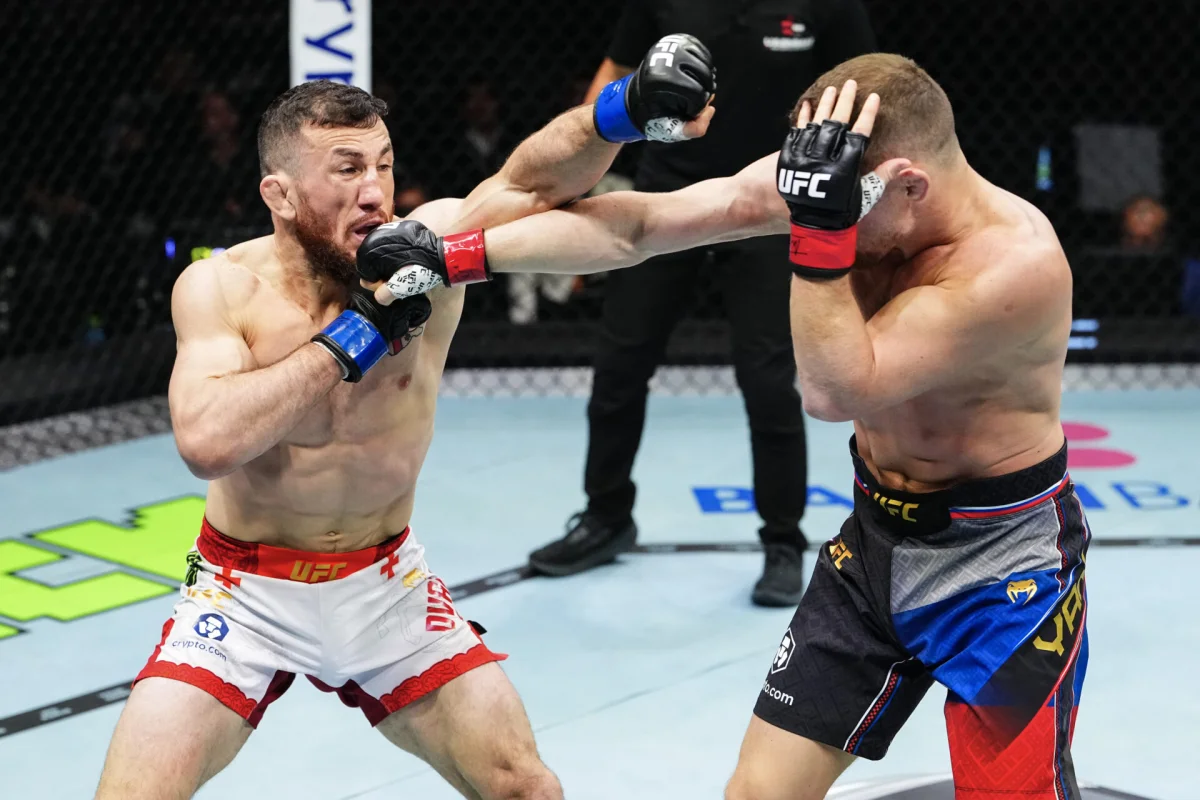
Merab Dvalishvili’s wrestling gave him an early lead against Petr Yan, but TJ Dillashaw believes the threat could have done more than produce takedown attempts. His read: Dvalishvili needed to make Yan’s defensive reactions open the door for strikes, especially once the initial pressure stopped controlling the fight.
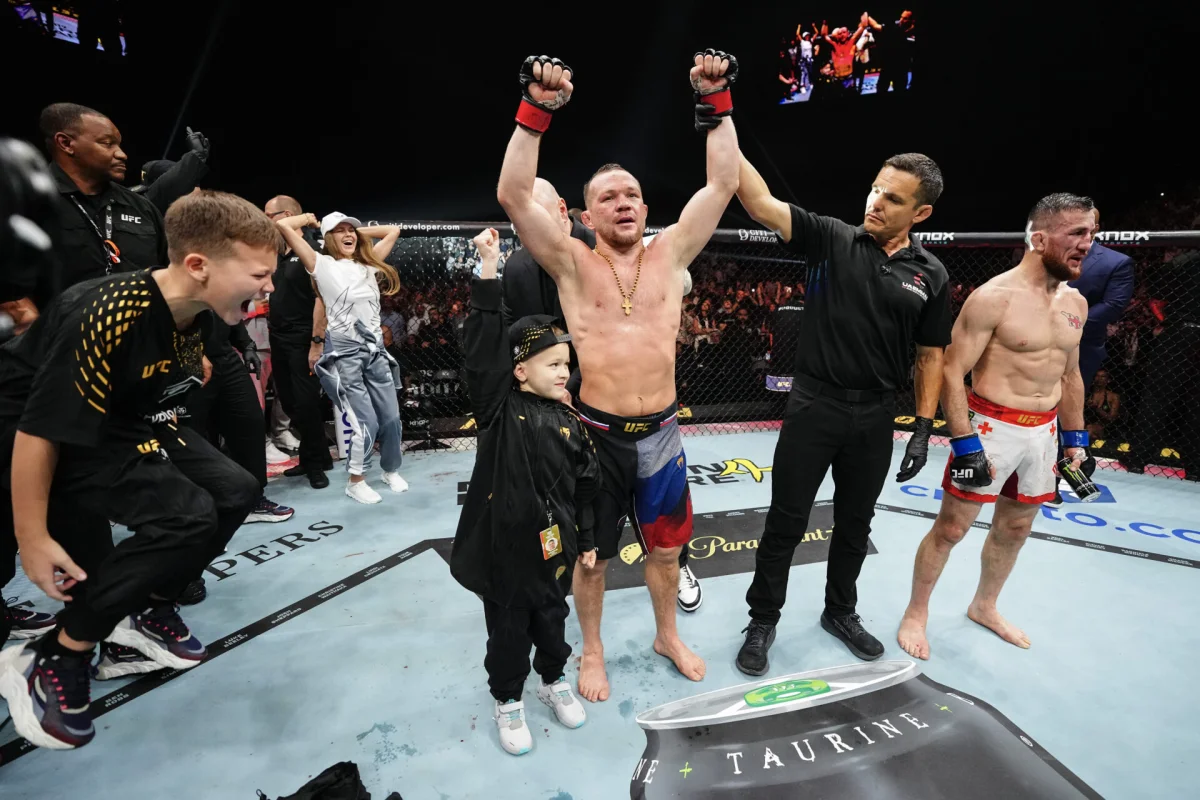
Dvalishvili lost to Yan in their trilogy bout at UFC 333 in Abu Dhabi on October 24, his first fight since losing the bantamweight title. Yan’s win made it two consecutive victories over the Georgian, whose fast start had again suggested he could dictate the terms. But Dillashaw sees a tactical adjustment that might have changed the contest’s shape.
Both fighters are part of the discussion about the greatest bantamweight in UFC history, and another win over Yan would have strengthened Dvalishvili’s case. Instead, he now has to answer questions about how his pressure holds up when an opponent reads the wrestling and finds room to strike.
The takedown threat needs to work both ways
Dvalishvili opened strongly, pressing Yan and taking the first two rounds, as he had in their previous meeting at UFC 323 last December. His wrestling pace was extreme: he attempted 58 takedowns, setting a record for attempts in a single UFC fight.
That volume created a clear problem for Yan. He had to keep responding to the possibility of a shot, and the repeated pressure helped Dvalishvili shape the early exchanges. Yet only five attempts succeeded. The 8.6 percent completion rate meant the threat often demanded a defensive reaction without producing a takedown that could hold Yan down or score.
Dillashaw’s point is that Dvalishvili can make those reactions useful even when he doesn’t complete the entry. On a recent episode of the JAXXON PODCAST, the former champion argued that Dvalishvili’s wrestling is so difficult to defend that it should create openings for his hands and feet.
“The only thing is that Merab doesn’t have another way to beat Yan,” Dillashaw said. He described the shot as both a way to interrupt Yan’s punches and a route to scoring. But if Dvalishvili only uses his hands to reach the legs, Dillashaw’s view is that Yan can focus on stopping the wrestling without paying enough for that focus.
The adjustment he wants is not a wholesale change in style. Dvalishvili could show a shot, draw Yan into a sprawl, then come up with a knee, kick or combination. The threat would still begin with wrestling; the difference is that Yan would have to account for strikes as he defended it.
Yan’s defense changed the fight’s rhythm
Once Dvalishvili’s pressure became less effective, Yan found more space to take control. His corner repeatedly reminded him that Dvalishvili was struggling to keep him down. Yan also landed with greater accuracy and grew more comfortable letting his hands go as the bout continued.
That shift helps explain why raw attempt volume didn’t secure the result. Dvalishvili kept a high output on the feet, but the repeated entries were not enough to stop Yan from settling into his offense. With only five takedowns completed from 58 attempts, Yan had reason to expect another shot and prepare to defend it. Dillashaw’s suggested answer is to make that expectation costly.
There’s a distinction between becoming a more polished conventional striker and making existing wrestling threats more dangerous. Dillashaw is calling for the second. A feint that draws a sprawl could leave Yan open up the middle; a kick or combination after a defended entry could make the next attempt harder to anticipate. The aim would be to make Yan choose between protecting his legs and staying ready to counter on the feet.
That’s the tactical gap Dillashaw sees: Dvalishvili can force an opponent to respect the takedown, but he hasn’t consistently turned that respect into clean striking opportunities against Yan. Whether the adjustment would have changed the result can’t be known. Dillashaw’s argument is that it could have given Dvalishvili another route when the wrestling alone stopped delivering enough.
A rematch would demand a different problem
Yan has now beaten Dvalishvili twice in a row, after Dvalishvili had beaten him in 2022. Another meeting may or may not come; for now, Dvalishvili needs to rebound against a fellow contender and keep himself near the bantamweight title picture.
The lesson carries beyond this one matchup: relentless wrestling can win early minutes, but opponents get more comfortable when they can predict the next entry and survive it. If Dvalishvili begins using feints and strikes to punish the defense, the same pressure that built his lead could become harder to solve across all five rounds. UFC news and the bantamweight division will offer the next measure of how he responds.
Read more: John McCarthy discusses his absence from the UFC since 2017 and a UFC veteran’s uncertain future after 26 fights.
For Dvalishvili, the next step is clear in tactical terms: make opponents defend the shot and the strike at once. Until he does, elite wrestlers may keep giving Yan the chance to settle into the exchanges.