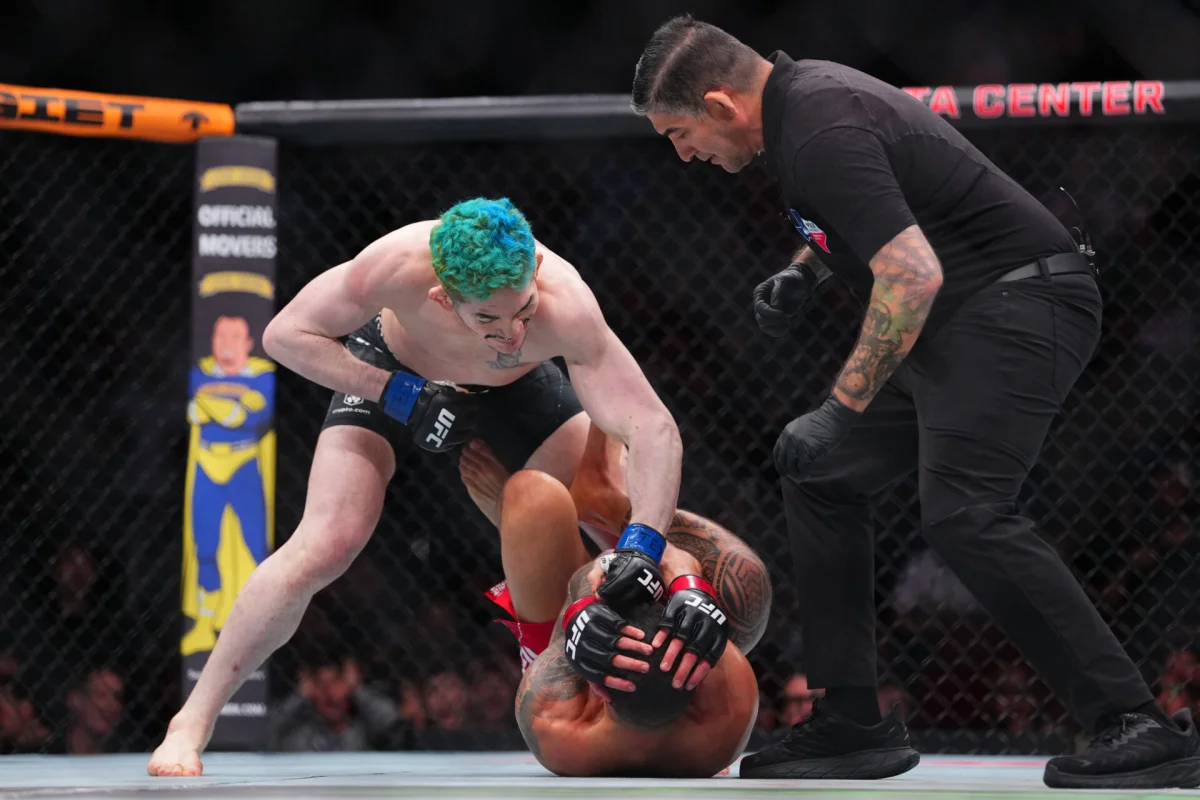
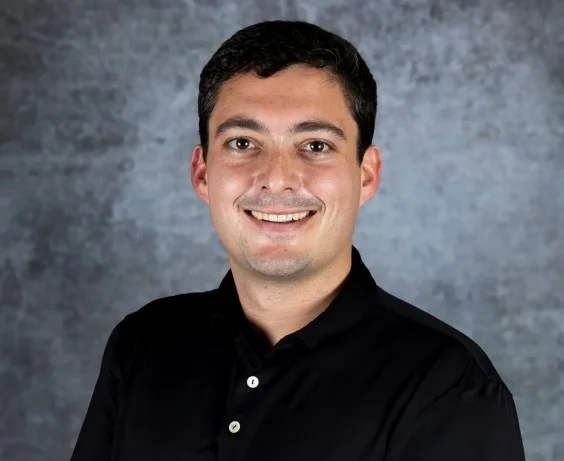
Sarah Sherman and Stavros Halkias criticize Dana White over UFC ties and fighter pay
The comedians say White’s public alliances have dulled their enthusiasm for UFC, while fighter pay remains a point of concern.
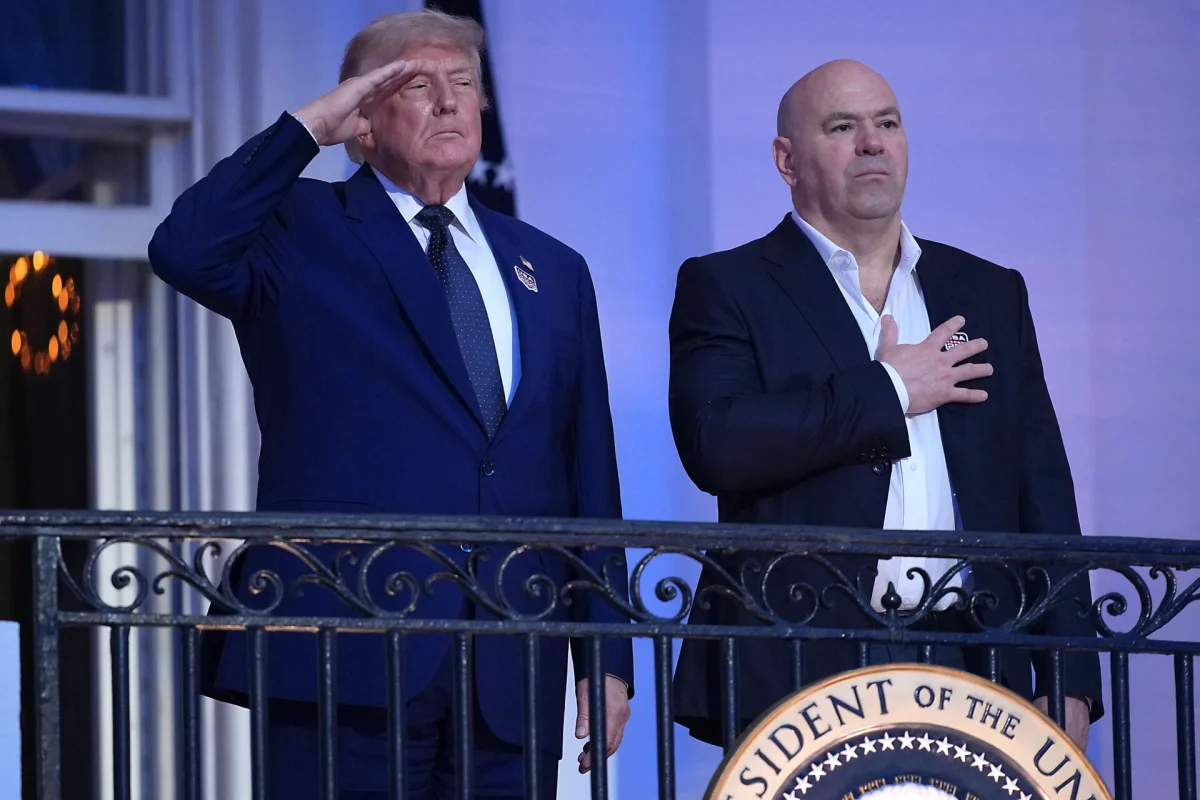
Sarah Sherman says her growing interest in UFC has run into a barrier: the public image of its chief executive, Dana White. On a recent episode of Stavros Halkias’s Stavvy’s World podcast, the Saturday Night Live performer and Halkias argued that White’s close relationship with Donald Trump has made the sport harder for them to enjoy. Their conversation also turned to what fighters earn, and to the culture that can make collective action difficult.
Their criticism lands at a time when Trump has become a conspicuous presence at UFC events. He has watched fights from cageside and maintained a close relationship with White. The source also points to a fight night planned for the White House lawn this summer as a striking expression of that connection. White’s public support for Trump, including speaking on his behalf at the Republican National Convention, marked a shift from his earlier, comparatively low profile on political matters.
Sherman’s enthusiasm meets a public image problem
Sherman told Halkias that her interest in the sport grew through her brother and comedian Jack Bensinger. She described becoming “really addicted to UFC this summer,” but said that excitement hasn’t translated into a desire to attend an event. The obstacle, in her view, is the atmosphere around the promotion and White’s visible alignment with Trump.
“I feel like I could get them tickets, I could get us all tickets to go. But isn’t it a little evil? It’s just, Dana White is evil,” Sherman said. Halkias agreed with the criticism, using blunt language to describe anyone who remains closely associated with Trump. Sherman echoed his characterization.
Halkias said White’s stance had put a “real dampener” on his appreciation of UFC. That’s a sharper reaction than simply disliking a promotional decision: both comedians framed the executive’s public ties as something that affects whether they want to support the product at all. For a sport whose event experience is built around spectacle and audience loyalty, that distinction matters. A new fan can be captivated by the action and still hesitate to buy a ticket when the promotion’s public identity conflicts with their own views.
The conversation reflects the tension between what happens inside the cage and the larger show around it. Sherman praised the sport as “the most amazing thing I’ve ever seen,” yet also said she finds the surrounding political character difficult to accept. Her interest makes the criticism more pointed: this isn’t a dismissal from someone indifferent to MMA. It’s a fan describing why enthusiasm alone may not be enough to bring her into the arena.
Fighter pay adds another point of friction
Sherman also raised fighter compensation, asking Halkias, “You know that they don’t get paid?” She added that fighters “get annihilated.” That wording is her assessment rather than a detailed account of the pay system, and the discussion offered no figures for purses, bonuses or total compensation.
Halkias focused on performance bonuses, saying that they account for much of the earning potential for many fighters. His complaint was that the structure is “so f—ed up” when the chance to earn more depends heavily on a bonus. The exchange didn’t compare individual contracts or establish how compensation varies across the roster. Still, it points to a familiar pressure in fight sports: athletes accept physical risk, while the terms that shape their earnings can be difficult for fans to see from the broadcast.
Halkias also argued that fighters may resist unionizing because of how the culture treats it. He said the attitude can reduce organizing to a question of toughness, invoking the phrase “you kill what you eat.” His point was that a working-class identity can sit uneasily beside efforts to bargain collectively. Sherman connected that working-class background to what draws her to MMA, even as the pair questioned whether the sport’s structure rewards its competitors fairly.
Sherman added that she is represented by WME, which is a majority owner of TKO Group, the parent company that includes UFC. That disclosure gives her comments an additional connection to the business around the sport, though she didn’t suggest that her representation changed her view of fighter pay.
Audience choices carry the argument beyond the podcast
Halkias said he and his siblings no longer go out to watch fights because of the company’s association with the “MAGA” movement. Unless an event feels unmissable, he said, he chooses to stream it instead of attending. That decision shows how disapproval can shape the way a fan engages with a promotion: someone may keep watching while withholding the in-person support that helps make an event feel like a shared occasion.
The discussion doesn’t settle the debate over UFC compensation or establish how widespread this reaction is among viewers. It does put two sources of friction in the same frame: White’s public alliances and the questions comedians raised about fighter earnings. Sherman’s own response captures the complication. She remains absorbed by the fights, but the experience surrounding them can still push her away from the arena. For UFC, the challenge is that the spectacle can win new fans while the organization’s public identity and treatment of fighters shape whether those fans stay invested.