Shirley Ballas’ first four on Dancing With The Stars sparks a scoring debate
Ballas gave Julia Stiles her lowest score of the series, drawing gasps and fan backlash while reigniting calls for tougher judging.
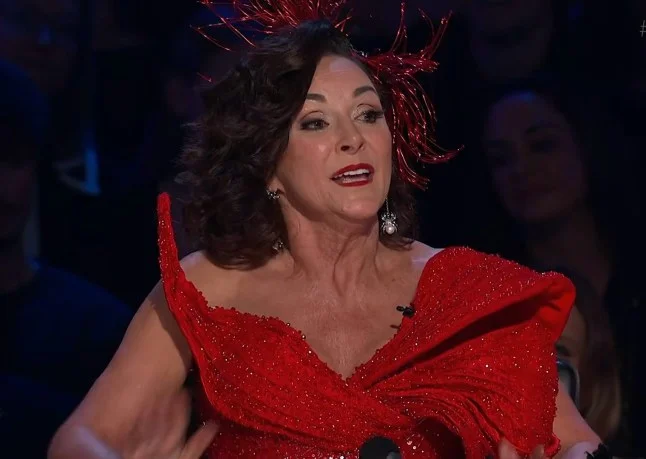
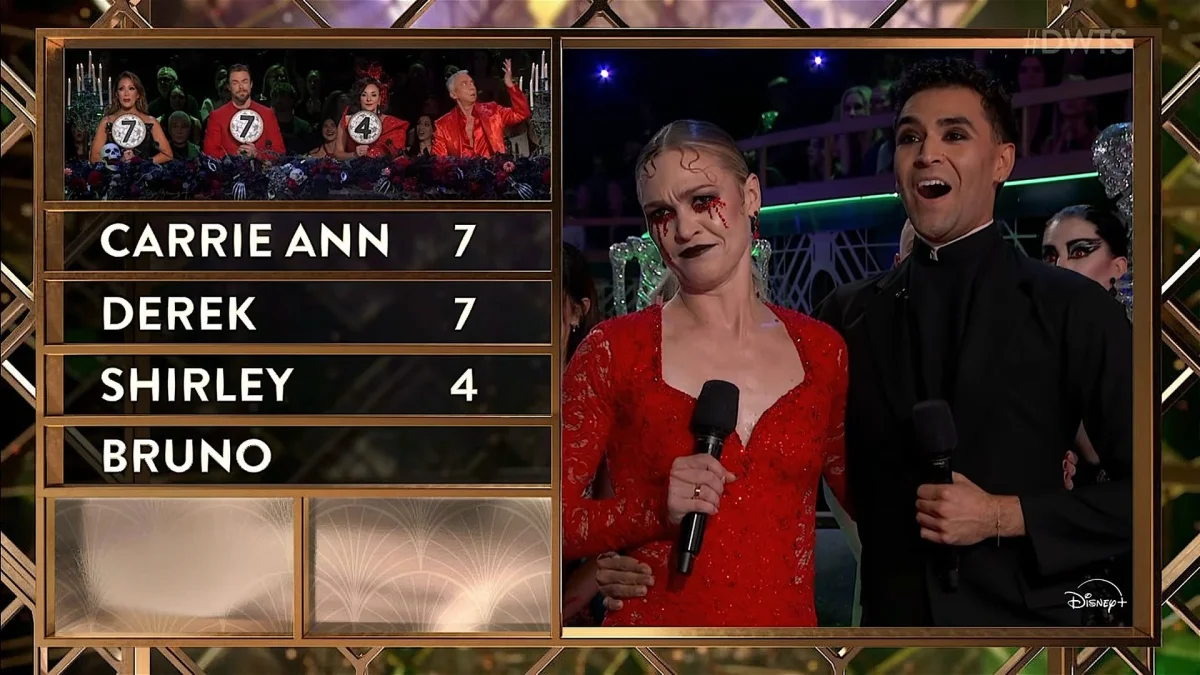
Shirley Ballas put a sharp edge on Dancing With The Stars’ scoring when she gave Julia Stiles a four for her Halloween tango, the first time she had used that paddle during this series. The mark startled the ballroom audience and split viewers: some called it harsh, while others backed Ballas’s insistence that judges should leave contestants room to improve.
Stiles and professional partner Ezra Sosa performed a tango to The Omen. Ballas acknowledged the connection between them, then pointed to what she felt was missing: movement across the floor, sharper leg action and posture better suited to Argentine tango. Her verdict was measured in its wording—“a good start”—but the four made its force unmistakable.
The low mark landed after Stiles had earned strong reviews for a performance dedicated to her late 10 Things I Hate About You co-star Heath Ledger. That earlier routine had made her a season favourite, raising the contrast between last week’s praise and Ballas’s assessment of the Halloween dance. The score was a first for Stiles and Sosa this series, according to the source.
A low score with a clear rationale
Ballas explained her approach afterward on Good Morning America. She said she judges according to what she believes she sees and wants contestants to understand the level of their performance. If judges hand out top marks every week, she argued, dancers have little room left to progress. Her style, she added, is direct rather than softened for the moment.
That philosophy helps explain why the four drew such a visible reaction. A score that might signal encouragement in one judging culture can sound like a rebuke in another. Ballas compared the response in England, where a four or five can prompt celebration, with the reaction she saw around her on the US show. “A four for me is a great score,” she said, adding that fairness matters to her.
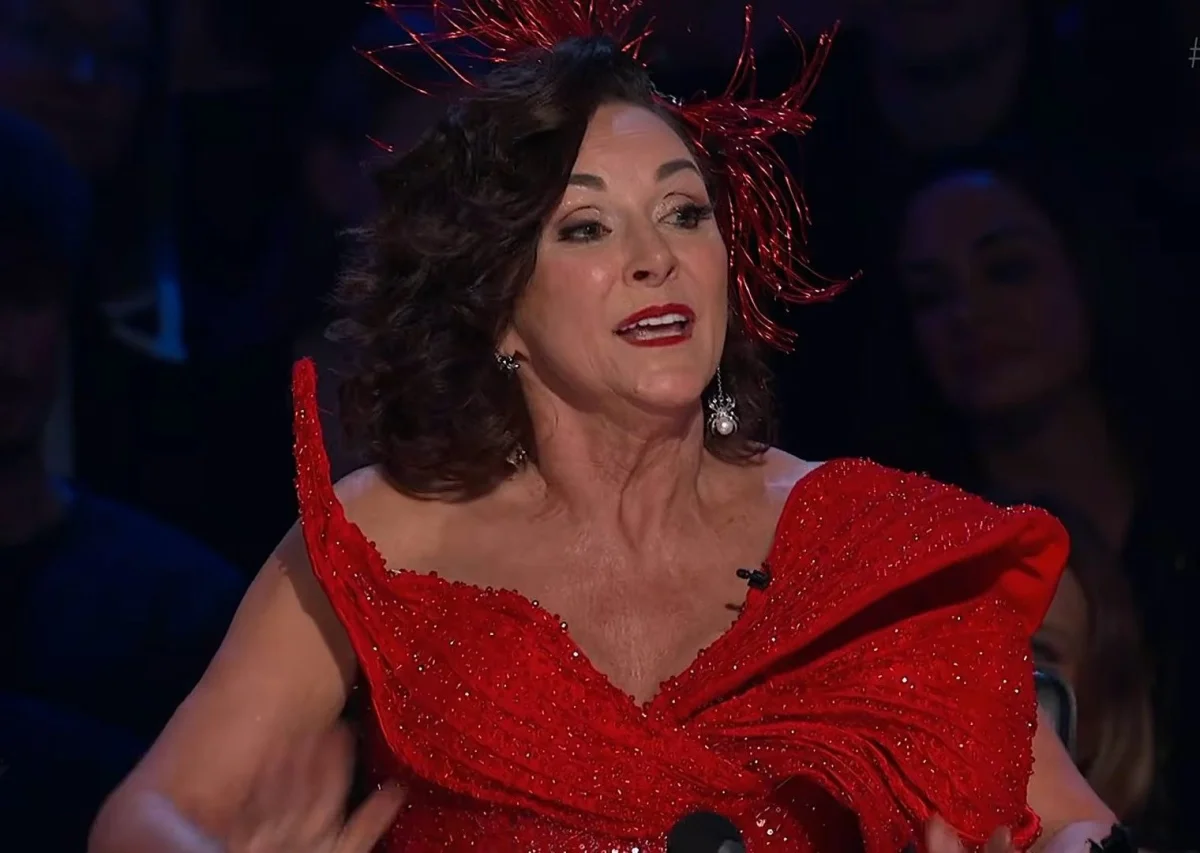
Her fellow judge Bruno Tonioli made the moment lighter with a joking “Wow, excuse me,” before praising Stiles as a “mistress of seduction.” He gave her an eight, the highest score of her night. The gap between his mark and Ballas’s four put the disagreement in plain view: the panel wasn’t simply reacting to the same performance with different levels of enthusiasm; it was offering sharply different assessments of its quality.
That contrast is part of why the exchange travelled beyond the judges’ table. A low score becomes a bigger story when it clashes with the warmer marks around it, particularly for a contestant who had built momentum. Ballas’s comments supplied a technical case for her decision, while Tonioli’s praise showed how differently the routine could be read.
Fans split over the four
Some Stiles fans took their frustration to her Instagram comments. Julie described the mark as “kinda mean,” while Jaimie called the four “undeserved and diabolical.” Jennifer conceded that Stiles looked nervous and stiff compared with her previous two weeks, but argued that she had still delivered an impressive performance and praised Sosa’s choreography. For those viewers, the score failed to reflect the challenge Stiles had taken on.
Other fans welcomed Ballas’s harder line. In comments on Ballas’s own Instagram posts, viewers praised the direct critique and called for her to return as a permanent judge. Kristie argued that softer marks from the rest of the panel had made a stricter score seem more shocking than it should. In that view, clear criticism can give a contestant more useful direction than another generous number.
The disagreement points to a familiar tension in dance competitions: judges are expected to reward the performance in front of them while also helping dancers understand what comes next. Ballas’s notes gave Stiles specific areas to address—floor coverage, leg control and posture—rather than leaving the four to speak alone. Whether viewers felt the number matched those faults is another matter, and the reaction suggests many did not.
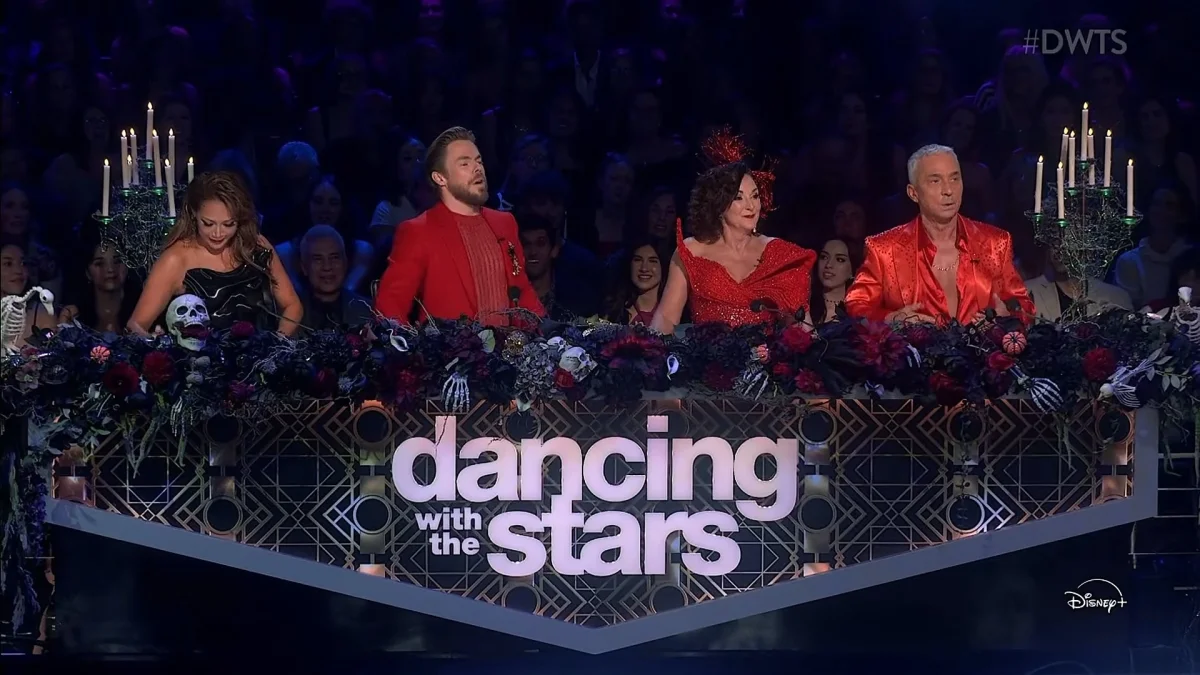
Ballas’s guest appearance also revived a broader question about what viewers want from the panel. The calls for her to stay reflect an appetite among some fans for firmer standards, especially when scores climb quickly. But the Stiles exchange shows the trade-off: a judge who gives precise criticism can sharpen the discussion, yet a large gap between marks risks making the panel look divided over the basic value of a routine.
For Stiles and Sosa, the practical test comes in their next performance. Ballas has made her expectations clear, and the next dance will show whether they can answer her notes with more control and stronger movement across the floor. The four may have stung, but it also gave the pair a specific target—and turned one guest judging moment into a debate about the standards of the whole panel.