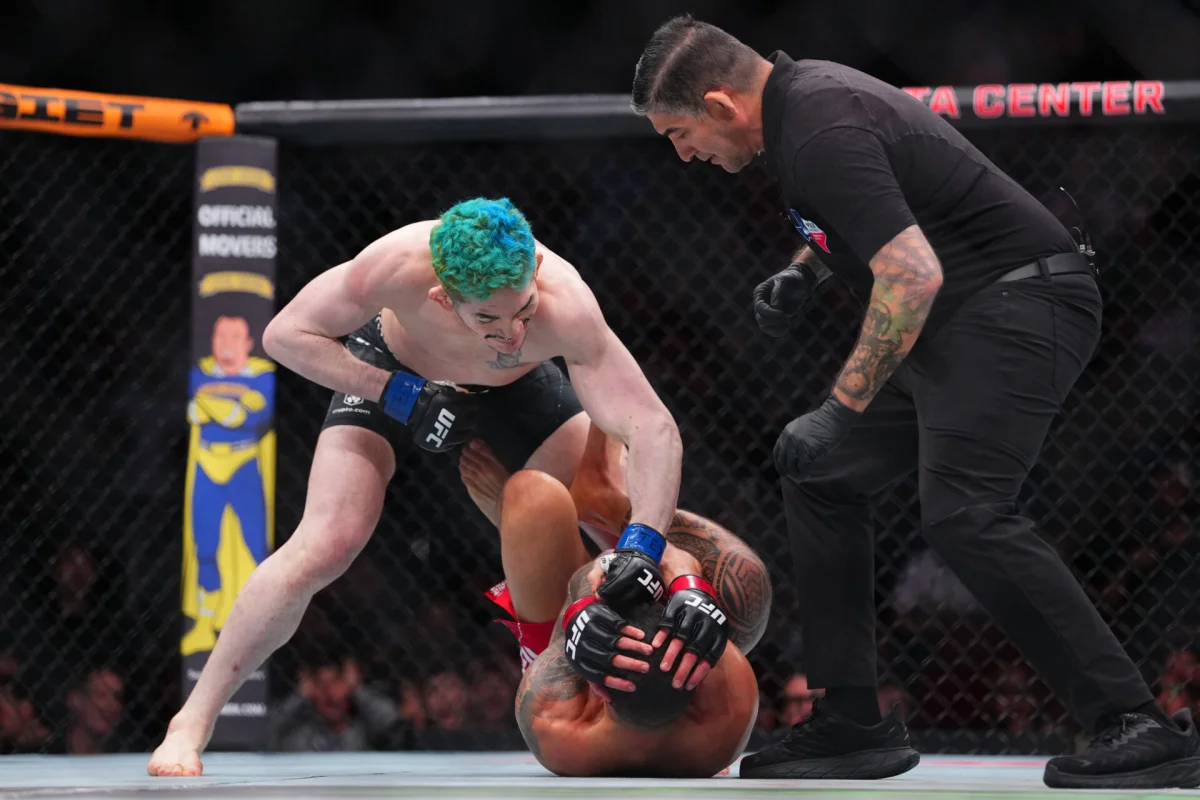
Colby Covington Says Zuffa Boxing Pay Makes UFC Fighters Feel “Slapped in the Face”
Covington says Conor Benn’s reported $15 million deal sharpens the contrast with UFC fighter pay as his relationship with the promotion deteriorates.
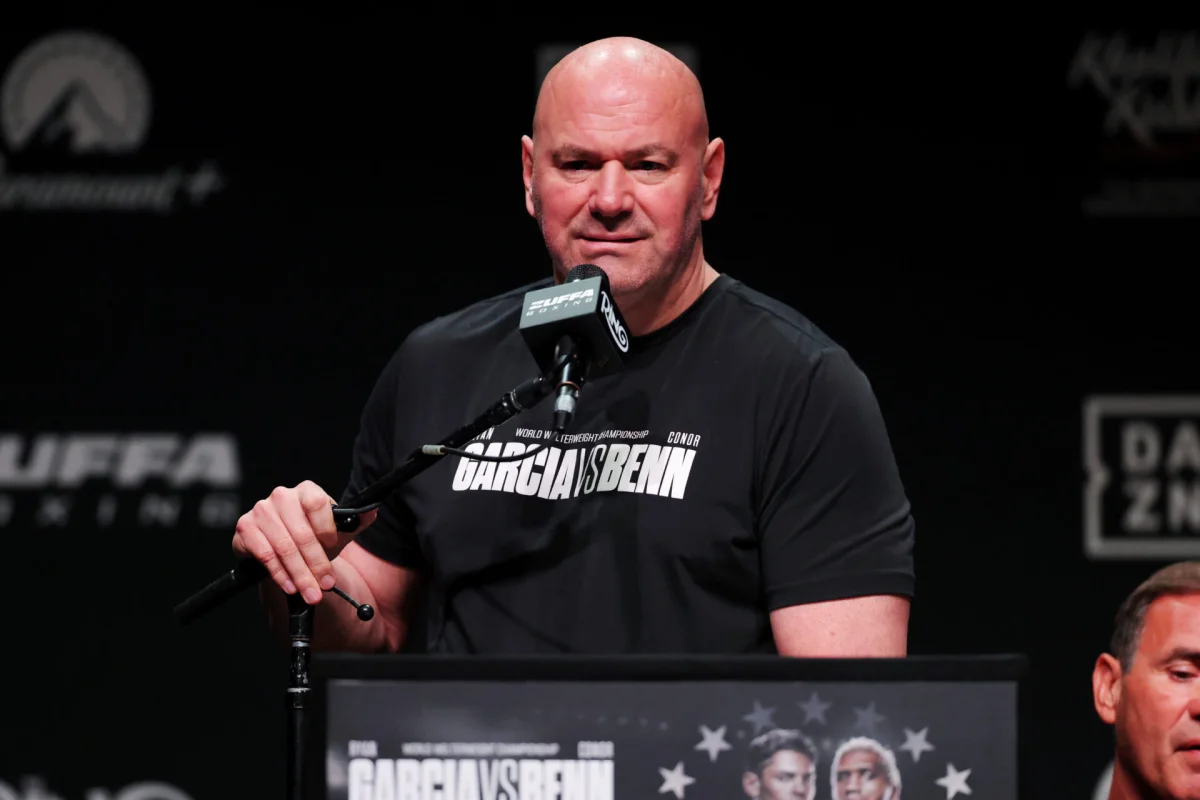
Colby Covington has turned his break with the UFC into a broader criticism of how the promotion pays its fighters. His latest target is the contrast between UFC compensation and the reported $15 million Dana White’s Zuffa Boxing paid Conor Benn for a single fight.
Covington described that gap as “a big slap in the face to us UFC fighters” in an interview with Ozoon Canada. The figure gives his complaint a concrete focus: Benn’s reported fee sits alongside a UFC revenue share that remains below 20 percent. For Covington, the new boxing venture has made an existing pay dispute harder to ignore.
A pay dispute sharpened by Zuffa Boxing
Covington objected to Benn receiving $15 million, then attacked the British boxer’s performance against Ryan Garcia. He called Benn a “bum” and said Benn had quit after three or four rounds. Covington also dismissed Garcia as “nothing special,” pointing to his loss to Rolly Romero in the fight before their meeting.
Those are Covington’s judgments, not independent assessments of either boxer’s ability or performance. His central point is the money: he sees a large reported payment for one boxing appearance and a UFC pay model that gives fighters less than 20 percent of revenue. That contrast is the basis for his accusation that UFC athletes are being treated unfairly while White backs a new boxing brand.
The comparison also puts a familiar question in sharper relief. A headline fee for one boxer is easy to understand; a revenue share describes a broader relationship between a promotion’s income and its roster. Covington is using the first figure to challenge the second. The source does not provide Benn’s contract details or a full breakdown of UFC fighter compensation, so the reported $15 million and the below-20-percent figure frame the dispute without settling every question about how either arrangement works.
From UFC supporter to public critic
Covington was once a vocal supporter of the UFC and Dana White. His stance shifted after the promotion did not give him the place he wanted on the UFC Freedom 250 card outside the White House, scheduled for this past June. He retired from UFC competition after being denied that opportunity, according to the earlier report on his retirement.
That exit gives his pay criticism a personal context. Covington has gone public with complaints about the UFC since the card dispute, including accusing the promotion of pushing fighters to accept matchups they do not want. He has also criticized Islam Makhachev and Khabib Nurmagomedov for staying quiet on fighter compensation.
His latest comments connect those complaints to a wider comparison: what UFC fighters receive versus what high-profile names can command in White’s boxing venture. The shift is striking because Covington’s earlier public support for the UFC has given way to sustained criticism. The article leaves open whether his push for better pay reflects a broader change of view, frustration with his treatment at the end of his UFC run, or both.
What the comparison does—and doesn’t—show
Covington’s argument draws force from the stark difference between a reported $15 million single-fight deal and a UFC revenue share below 20 percent. But those two figures do not, on their own, reveal what each athlete’s full compensation package includes, how the payments were structured, or how the figures compare across a promotion’s roster. The source offers no further contract terms, so the strongest supported reading is that Covington sees Benn’s reported fee as evidence of an imbalance.
That distinction matters for the debate. Covington has supplied a clear grievance and a prominent example, but his insults about Benn and Garcia do not establish the financial case. The pay comparison does the work. It puts the UFC’s share of revenue at the center of the argument and makes Zuffa Boxing a fresh point of reference for fighters weighing their own compensation.
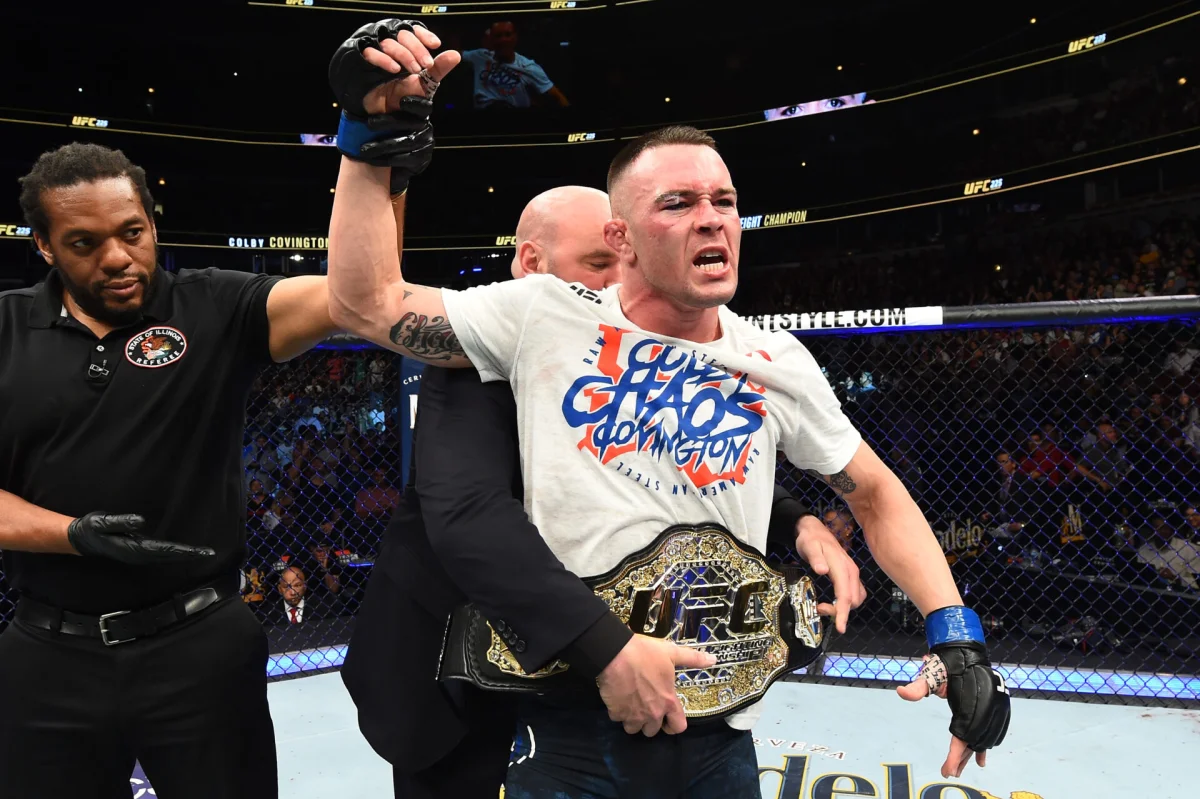
Covington’s former interim welterweight title gives his criticism added visibility. Dana White placed the belt around his waist after Covington defeated Rafael Dos Anjos at UFC 225 in Chicago on June 9, 2018. The image of that moment now sits against a much more hostile public relationship between the two men.
For now, Covington has made the issue personal and specific: Benn’s reported fee is his exhibit, and UFC revenue sharing is his target. Whether his criticism gains traction beyond his own dispute will depend on the compensation figures behind the argument—and whether other fighters choose to make the same comparison publicly.