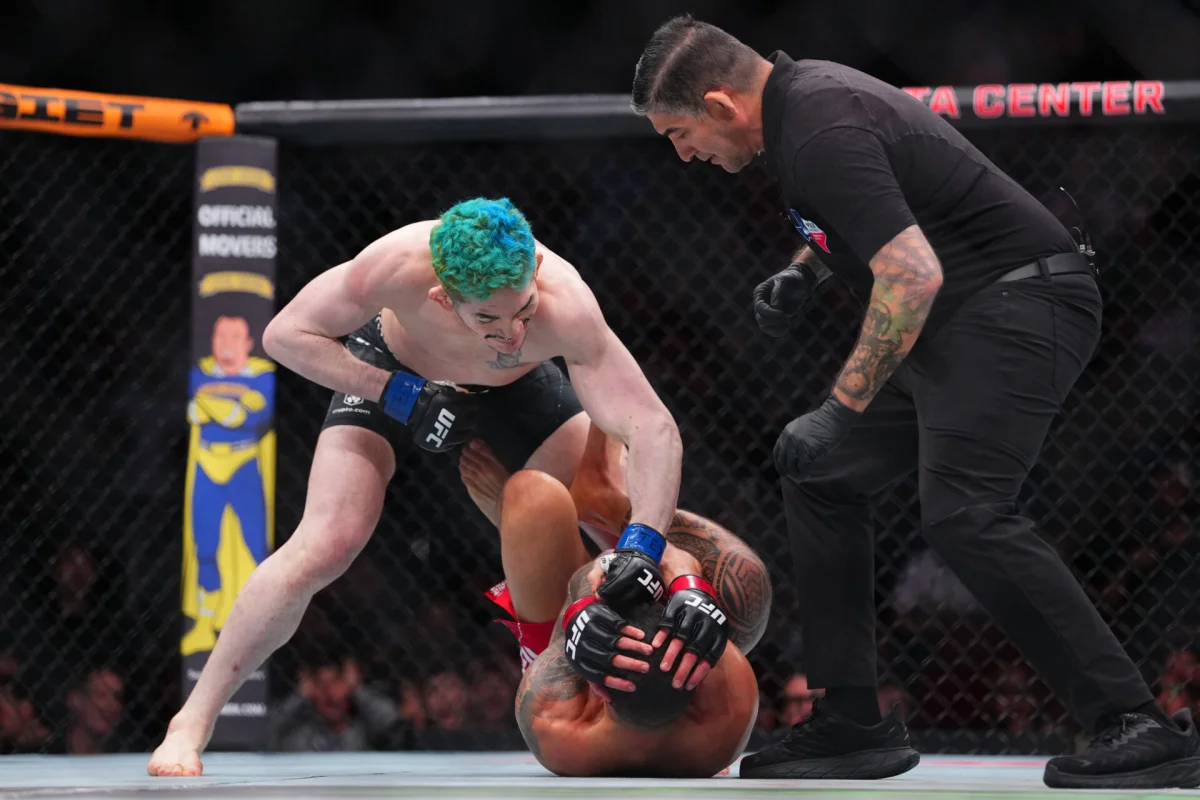
Kamaru Usman Defends Colby Covington After Raul Rosas Jr.’s 37-Second Submission
Usman says Covington’s rapid submission loss exposed the challenge of facing a specialist in his own discipline, despite the size gap.
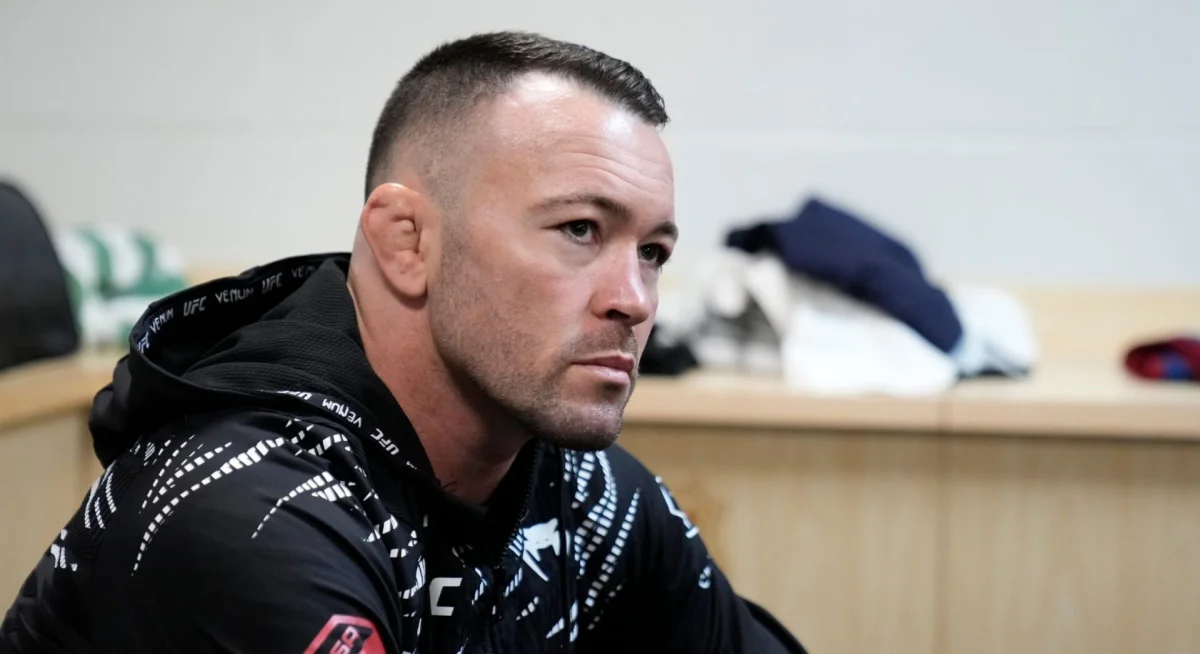
Colby Covington’s 37-second submission loss to Raul Rosas Jr. was a sharp reminder that wrestling credentials and grappling expertise don’t always transfer cleanly between rule sets. Kamaru Usman says the result was still difficult to excuse, but argues that Covington faced a specialist in a discipline that isn’t his usual arena.
Covington met Rosas in a submission-only grappling match this past Tuesday. Rosas had only a few days to prepare after Dillon Danis withdrew, yet the 22-year-old found the finish in less than a minute. The result drew criticism of Covington, while Usman, one of his most prominent career rivals, offered a more qualified view of what happened.
Usman points to the discipline
On the Pound 4 Pound podcast, Usman stressed the difference between taking part in a grappling match and competing in the kind of wrestling that has shaped Covington’s reputation. “I don’t excuse it by no means because you knew what you signed up for, but that’s not your world,” he said.
Usman’s point wasn’t that the loss should be dismissed. Covington accepted the matchup and its submission-only conditions, so the result belongs to him. Rather, Usman sees the early finish as a consequence of facing an opponent whose primary craft is submission grappling. He described Rosas as “super tough on the ground” and said the younger fighter “caught him off guard.”
That distinction matters. Wrestling can build exceptional balance, pressure, positional control and the ability to dictate where an exchange takes place. Submission grappling asks athletes to manage a different set of immediate threats, including the transitions that create openings for a finish. A strong wrestling base can be valuable, but it doesn’t automatically provide the timing and defensive instincts needed to handle a specialist in that setting.
Different backgrounds, different tests
Covington’s credentials are rooted in wrestling. He earned NCAA Division 1 All-American honors, a mark of high-level achievement in that sport. His jiu-jitsu black belt came in 2023, but the belt alone doesn’t establish that he has the same depth of experience in submission grappling as a lifelong practitioner.
Rosas, by contrast, has been grappling since he was four and has won amateur grappling competitions. That history gives context to Usman’s description of him as a specialist. The matchup put Covington’s celebrated wrestling background against an opponent whose experience is closely aligned with the contest’s central demand: finding and completing a submission.
The size difference makes the outcome more startling. Covington weighs more than 40 pounds above Rosas, a substantial gap in a contest where strength and body weight can help an athlete hold position or resist pressure. But size is an advantage, not a guarantee. It can matter less when a smaller opponent recognizes a transition quickly and reaches a position where technique, timing and composure decide the exchange.
That’s why the 37-second duration carries such force. There was little time for Covington to impose his preferred physical advantages or settle into the match. Rosas’ quick finish turned a matchup that appeared to favor the heavier athlete on size into a demonstration of the younger fighter’s comfort in his own specialty.
The reaction around the result
The loss also became a moment for spectators to read into. Conor McGregor was in attendance, and footage appeared to show him laughing shortly after Covington was submitted. McGregor later denied laughing at Covington, saying the broadcast had joined two pieces of footage together. That dispute added noise to the reaction, but it doesn’t change what happened on the mat: Rosas submitted Covington in 37 seconds.
Usman’s response stands out because of his history with Covington. Their rivalry gives him little reason to soften the result, yet he separated the performance from the broader question of what Covington is best equipped to do. His assessment holds both sides in view: accepting a submission-only match means accepting its risks, and facing a seasoned grappler presents a specific challenge that Covington’s wrestling achievements don’t erase.
For Covington, the result is a costly reminder that skill sets don’t move unchanged from one format to another. For Rosas, stepping in on short notice and finishing a former interim welterweight champion in 37 seconds is a striking result in his own area of expertise. Usman’s defense doesn’t undo the loss; it puts the speed of the finish in context. The key question after this bout is how Covington’s wrestling base holds up when the contest is shaped by submission specialists.