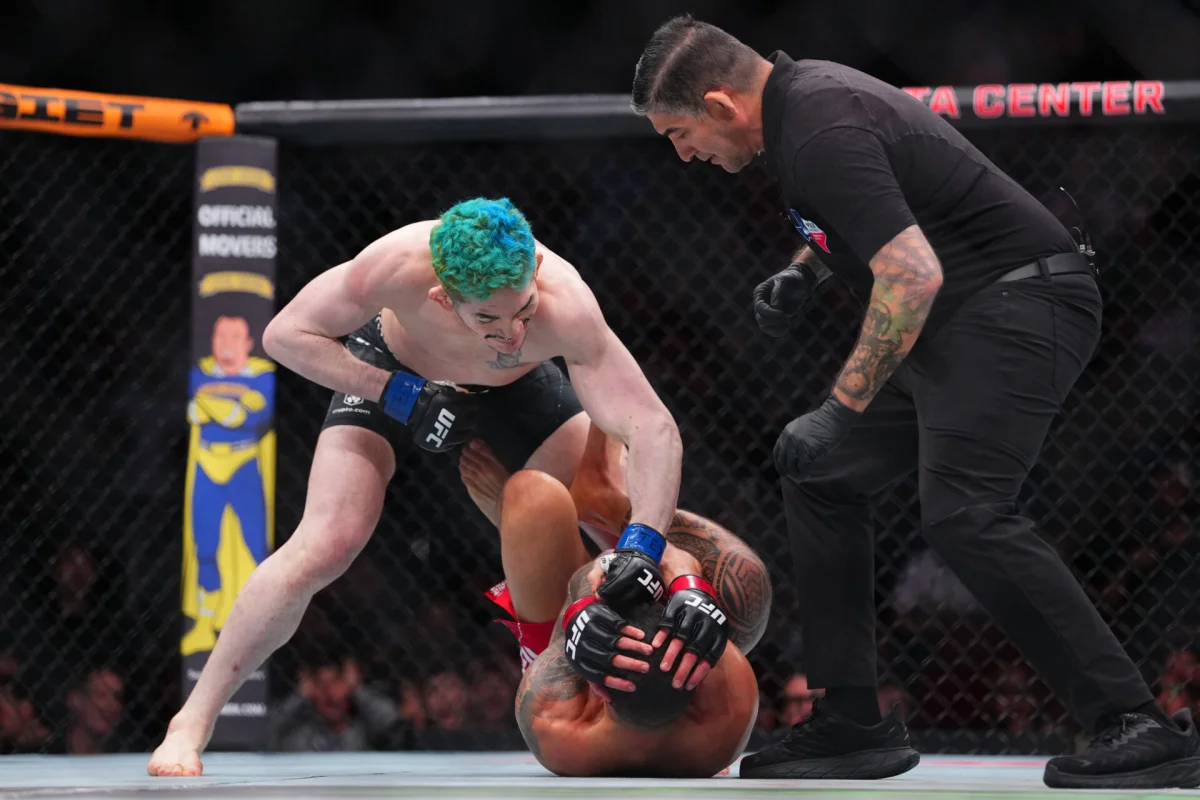
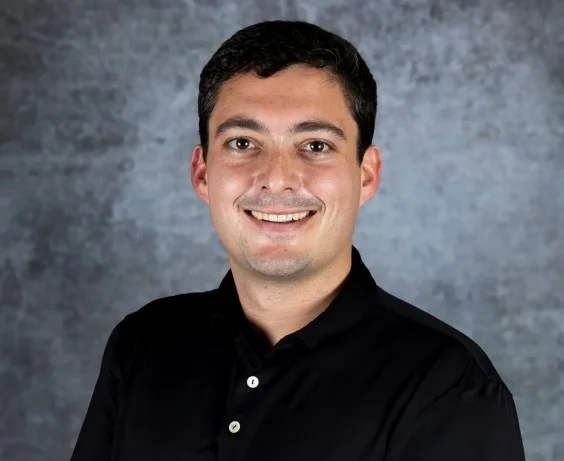
Josh Hokit backs Dana White’s tough-matchup claim ahead of Ciryl Gane title fight
Hokit says his first four UFC opponents tested him in different ways. His November 14 heavyweight title fight with Ciryl Gane is the next measure.
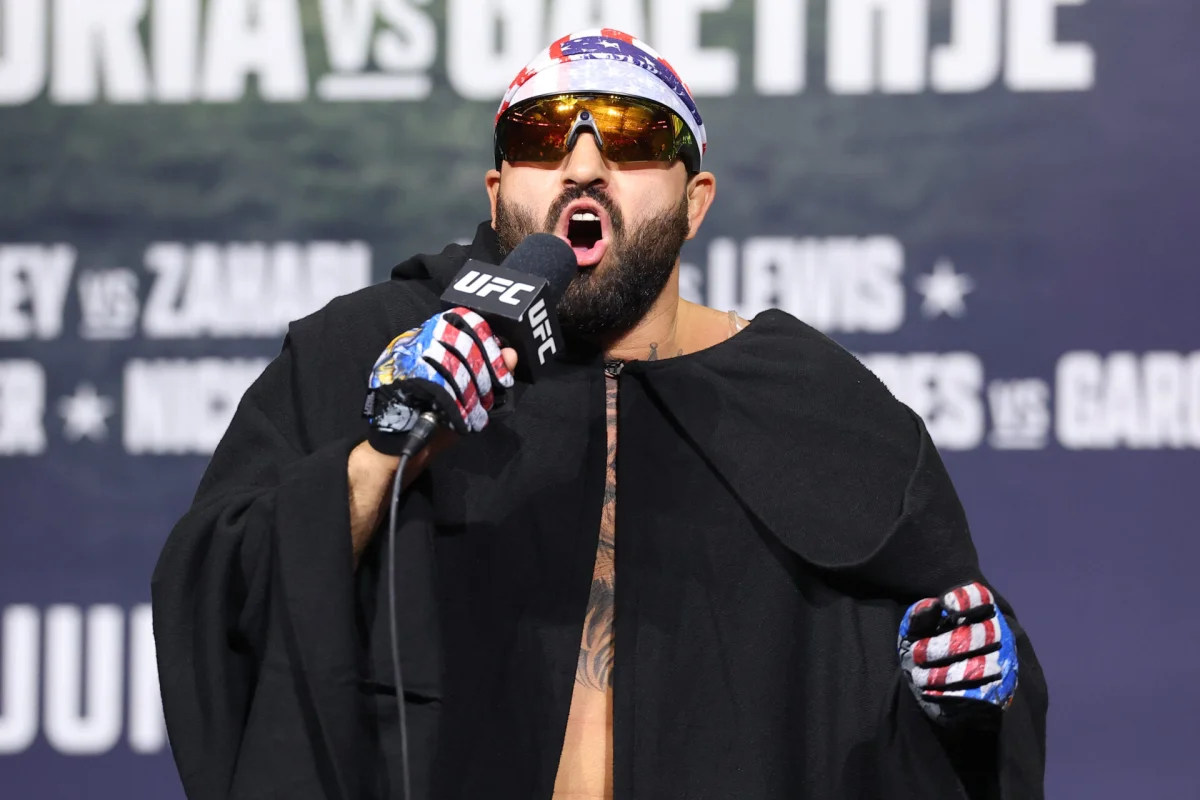
Josh Hokit’s route to a heavyweight title fight has been brief, but the names on his first four UFC assignments give him a case for saying the opposition has tested him early. Hokit agrees with Dana White’s assessment that he has faced “tough guys” and has answered the matchmaking criticism with a blunt challenge: “Send anybody you want just don’t send anybody you want back.”
The 28-year-old is set to meet Ciryl Gane in the main event of UFC 334 on November 14, with the heavyweight title at stake. That makes the debate over his early schedule more than a dispute about how to describe four opponents. It now sits alongside a major test of whether his rise can hold up against one of the division’s leading names.
Hokit points to a different test in each fight
Hokit laid out the credentials he sees in his first four opponents in a post on X. His list named Max Gimenis, Denzel Freeman, Curtis Blaydes and Derrick Lewis, and tied each to a particular kind of challenge: grappling, wrestling, size or experience.
Debut: Gimenis/ World Champ jiu jitsu
— The Incredible Hok (@Josh_HokitUFC) November 5, 2026
2nd: Freeman/ World team member wrestler
3rd: Blaydes/ Wrestler, big, cardio/ top 5 for 8 years
4th: Lewis/ Fat Cow Pig
The phrasing is Hokit’s, and it gives his argument a clear shape: he believes the matchups have required him to deal with distinct strengths, rather than easing into the UFC against a succession of similar opponents. That point carries weight even if the four names don’t all have the same standing in the heavyweight division. A fighter can face a demanding style without facing an opponent with a high ranking or a long record at the top level.
Blaydes is the most established name in the group. Hokit described him as a large wrestler with strong cardio and a place among the top five for eight years. Gimenis, his UFC debut opponent, has a 6-2 professional MMA record and an extensive grappling background, but isn’t ranked in the top 15. The source account presents Freeman as a step up from Gimenis, noting that he won the LFA heavyweight title before his UFC appearances. Freeman has fought twice in the UFC and hasn’t competed since facing Hokit.
That mix helps explain why White’s description and Hokit’s response can both stand. The opponents brought credentials and different demands, while the limited number of UFC outings leaves little room to judge how Hokit performs across a long run against ranked heavyweights. His list makes the case for the difficulty of the path so far; it doesn’t settle the broader question of where he belongs in the division.
A title fight changes the stakes of the argument
White has said that his personal dislike of some of Hokit’s past remarks influenced the tough matchups he received. He has also criticized the heavyweight publicly, including after comments Hokit made about Michelle Obama at UFC Freedom 250. White’s remarks put a personal edge on what might otherwise be a straightforward debate over opponent quality.
Yet the next booking gives Hokit a chance to answer the more consequential question in the cage. Fighting Gane for the title is a far clearer measure of championship readiness than a discussion about whether earlier opponents were tough enough. The matchup also means that Hokit’s rapid rise is now tied to an immediate result: a win would put the belt around his waist, while a loss would give the division a firmer reading of how much ground he still has to cover.
White has defended the decision to make the fight, even after criticizing Hokit. That combination suggests the UFC boss is prepared to put the heavyweight’s profile and ability to draw attention to the test of a championship bout. It also gives Hokit the kind of opportunity his response implies he wants: a high-level opponent, with the title on the line.
For now, Hokit’s argument rests on a short record and the varied credentials he assigns to his first four foes. Gane offers the next, sharper benchmark. If Hokit can turn his confidence about the road behind him into a title-winning performance, the discussion over his matchmaking will take on a different meaning; if not, the gaps between those early tests and a championship level will be harder to ignore.