Will Venable’s White Sox Report Card: Pitching Gambles, Hitting Choices and an ALDS Collapse
Venable’s bold use of Grant Taylor paid off in a seven-game run, but the White Sox’s hitting choices and 17 walks helped end it.
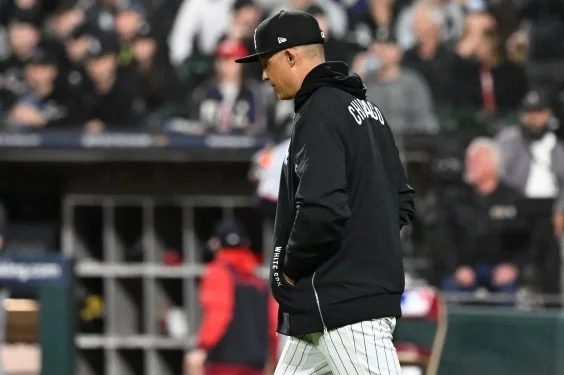
The White Sox’s postseason exposed the tradeoff at the center of Will Venable’s managerial style: aggressive choices can stretch a pitching staff’s best options, but they also invite scrutiny when the plan stops working. After Chicago lost a 2-0 lead to Cleveland in the ALDS, the question wasn’t simply whether Venable’s moves were unusual. It was which decisions gave his team an edge, and which left too much for the players to overcome.
FanGraphs’ evaluation, written by Ben Clemens, gives a useful outside view of that balance. Clemens graded Venable A- for his work with pitchers and B- on offense. Those marks broadly match my own read, though the pitching grade feels generous. The hard part is separating choices that were questionable in hindsight from ones that were reasonable bets in the moment.
Pitching plans met execution
Venable leaned into frequent substitutions as Chicago advanced through the Wild Card Series and into the second round. That approach can disrupt a lineup’s rhythm and let a manager steer matchups inning by inning. It can also make every change look suspect when the result turns against the team. When the strategy works, critics may focus on its feel; when it fails, the choices themselves become the first target.
There were reasons to question how much Venable asked of Hagen Smith and Grant Taylor. The returns from Smith and Taylor seemed likely to diminish as their workload grew, and it wasn’t obvious that Chicago had better alternatives ready. Still, a manager’s plan can only do so much once the pitcher takes the mound. Seventeen walks across Games 4 and 5 left the White Sox with little margin for error. No sequence of substitutions can reliably erase that many free passes.
Taylor’s usage is the clearest example of the choices Venable faced. He recorded a four-inning save, threw 54 pitches in the first game of the playoffs and entered in varied situations, sometimes staying in until he could no longer continue. Across Chicago’s seven postseason games, Taylor appeared in five. Twice, he worked more than two innings.
Clemens is careful about judging that workload. He writes that he’d be wary of managing a pitcher that way without a firm grasp of the player’s limits and comfort with the plan. Venable, Clemens argues, had that knowledge. The usage looked extreme, but it had a purpose: Chicago was asking its best arm to cover whatever the game demanded.
That’s a hard approach to assess from the outside. A four-inning appearance may look inspired if it preserves a lead, then reckless if the team loses the next game. What matters is whether the staff and pitcher can sustain the arrangement and whether the manager has a clear reason for each deployment. Clemens sees a vision in Venable’s choices, even while acknowledging he would have managed Taylor differently. If Chicago had advanced, Taylor’s workload likely would have eased, but the team’s short run gave Venable little time to spread the burden elsewhere.
The lineup left Cleveland’s choices easier
The offensive decisions look less persuasive. Miguel Vargas seemed to lack effective protection in the lineup, while Cleveland’s pitchers appeared increasingly confident attacking Munetaka Murakami and Andrew Benintendi. When Vargas came up, Venable hadn’t given Cleveland manager Stephen Vogt a difficult choice. The matchup was too comfortable.
That’s where the distinction between a player’s reputation and his current ability to help becomes important. Dave Roberts’ handling of Shohei Ohtani this October offers another example of a manager sticking with a prominent hitter through difficult conditions; the comparison is discussed in this report on Ohtani’s postseason role. The situations aren’t identical, but the wider challenge is familiar: a manager has to weigh a hitter’s standing against the matchup in front of him. In Vargas’ case, the choices around him did little to make Cleveland pay for pitching to him.
The overall grade split captures the series’ tension. Venable’s pitching decisions were unusual, and Taylor’s workload raises fair questions, but the staff still gave Chicago a path through a short postseason. On offense, the lineup construction offered Cleveland a clearer route through key plate appearances. The collapse doesn’t settle every argument about Venable’s judgment. It does make the balance between bold pitching moves and dependable support around the middle of the order harder to ignore.
More from the baseball world
- Breaking down the White Sox ALDS collapse and biggest offseason questions — Foul Territory. Josh discusses the series and Chicago’s questions for the offseason with A.J. Pierzynski.
- 2026 minor league attendance numbers for all 120 teams — Baseball America. The Winston-Salem Dash won their first league title since 2003, while average attendance fell by 1,012 fans per game, the largest drop in minor league baseball.
- Goodbye to Jamsil, Seoul’s imperfect, beloved baseball cathedral — Korea JoongAng Daily. The stadium that hosts the Doosan Bears and LG Twins is set to be replaced by a 30,000-seat dome. Jim Bulley’s tribute remembers a place that was imperfect but built around the fans: an aging concrete structure without corporate suites, where seats offered similar views and good sightlines once cost little.
- Leo XIV’s diagnosis and the assumption of a long papacy — The New York Times.
Jamsil’s story offers a reminder that what makes a baseball home matter isn’t just polish or capacity. It’s the experience fans carry with them. Chicago’s offseason questions are less settled: the White Sox will have to decide what their postseason says about the roster, and whether Venable’s boldest choices can be supported by a lineup that gives his pitchers more room to work.