White Sox Hire Brewers’ Matt Roffe to Lead Scouting as Draft Strategy Comes Into Focus
Matt Roffe brings Brewers scouting experience to Chicago, where his approach to later-round prep picks will be one early test.
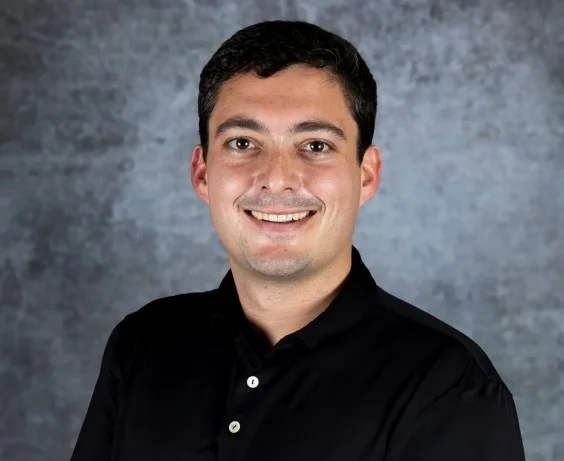
Matt Roffe’s move from Milwaukee to Chicago gives the White Sox an outside voice shaped by one of baseball’s strongest talent pipelines. The question now is how much of the Brewers’ draft approach he can adapt for a club that expects to pick later in the first round and doesn’t have Milwaukee’s international operation.
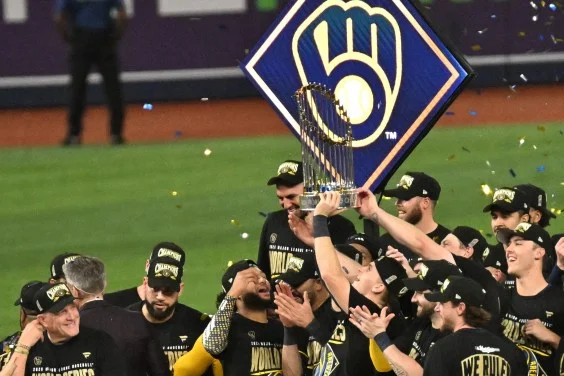
Katie Woo and Ken Rosenthal of The Athletic reported that Chicago is hiring Roffe to lead its domestic draft efforts. The report came the morning after the Brewers won the first World Series title in franchise history, adding a pointed backdrop to the hire: the White Sox have cited Milwaukee as an organization to emulate, and now they’re bringing in a member of its scouting department.
Roffe joined the Brewers in 2021 and moved from coordinator to manager in scouting operations before becoming assistant director of domestic scouting last November. Before Milwaukee, he spent two years as a full-time analyst with the Diamondbacks. He graduated from Washington University in 2018, where he also played baseball.
A rare outside hire
Roffe replaces Mike Shirley, who resigned in September amid an investigation into allegations of verbal harassment. Shirley had overseen Chicago’s drafts since 2020, after spending most of the century with the organization. His last draft included the first overall selection, Roch Cholowsky, and became the most expensive draft class in White Sox history.
The exact title for Roffe has yet to be confirmed, but his appointment breaks a long pattern. The White Sox have promoted previous scouting directors from within: Shirley, Nick Hostetler, Doug Laumann and Duane Shaffer all climbed the organization’s ranks, in some cases more than once. The last outside hire for the role came in 1986, when general manager Larry Himes brought in Al Goldis from the California Angels.
Goldis oversaw four first-round selections who reached notable heights: Jack McDowell, Robin Ventura, Frank Thomas and Alex Fernandez. All four were top-10 picks, a distinction that shapes the comparison with Roffe’s new job. Chicago is hoping to pick in the back half of the first round for the foreseeable future, so finding value beyond the top of the draft could matter as much as identifying a marquee prospect.
What Chicago can learn from Milwaukee
The Brewers offer a compelling model because their major league improvement has coincided with a strong farm system. Their record and Baseball America farm-system ranking moved as follows:
| Year | Record | Rank |
|---|---|---|
| 2022 | 86-76 | 25 |
| 2023 | 92-70 | 13 |
| 2024 | 93-69 | 2 |
| 2025 | 97-65 | 9 |
| 2026 | 103-69 | 3 |
That record of growth is difficult to copy in full. Milwaukee’s international operation is years ahead of what Chicago can currently aspire to, and international talent has helped supply players such as Jackson Chourio, Jesús Made and Luis Lara. Still, the Brewers’ domestic draft has contributed to their World Series roster without relying on the draft lottery. Jacob Misiorowski came from the second round in 2022, Logan Henderson from the fourth round in 2021, and Cooper Pratt was a sixth-round pick out of Mississippi high schools in 2023.
One part of Milwaukee’s method stands out: a willingness to spend later picks on high school players, even when that means finishing the draft with several unsigned selections. Since the draft was reduced to 20 rounds in 2021, Chicago has signed 120 of its 122 picks and has generally leaned toward college players in the final 10 rounds. The Brewers have taken a different risk profile on Day 3:
| Day 3 high school picks | Brewers | Unsigned |
|---|---|---|
| 2026 | 6 | 2 |
| 2025 | 8 | 5 |
| 2024 | 7 | 4 |
| 2023 | 7 | 3 |
| 2022 | 5 | 4 |
The first test may come late in the draft
Chicago has shown some interest in the approach, though it has tended to target high school players it expects to sign. This past July, the White Sox opened Day 3 by signing Pennsylvania prep pitcher Kyle Casteel for a $1,247,500 bonus. It was the second straight year they used an 11th-round pick on a high school player; in 2025, that choice was Texas prep athlete Matthew Boughton.
There’s a regional fit, too. Some of Milwaukee’s successful late-round high school picks have come from territory familiar to Chicago’s scouts. Josh Adamczewski, an Indiana native and top-100 prospect, was selected in the 15th round in 2023 despite his commitment to Ball State. Other prospects from Indiana, Illinois and Wisconsin, including Bishop Letson and Luke Adams, have appeared on the Brewers’ top-10 lists.
Roffe’s appointment pairs outside experience with a practical challenge: Chicago needs to find ways to add talent through a draft that may not offer top-10 selections, while building on areas where its scouting operation has already shown initiative. The clearest early sign of his influence may be how aggressively the White Sox pursue high school talent in the later rounds—and how they balance those risks against the organization’s signing strategy.