Anton Du Beke recounts the Boxing Day attack that ended contact with his father
In his memoir, Du Beke describes the stabbing that led to four days in hospital, estrangement from his father and a lasting reluctance to discuss the episode.
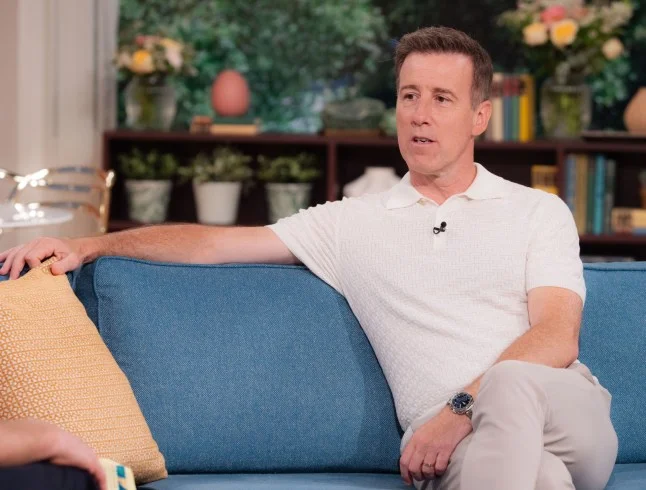

Anton Du Beke’s new memoir describes a violent episode that changed his relationship with his father and left him keeping the truth about his injury to himself. The Strictly Come Dancing judge says he was stabbed in the leg and stomach by his father, Antal, at the family home in Sevenoaks on Boxing Day, when Du Beke was in his mid-20s.
The incident is one part of Steps in Time: The Moments that Made Me, in which the dancer and broadcaster reflects on growing up in Kent and on a relationship he describes as tumultuous. Antal, who was from Hungary, had a serious drinking problem, Du Beke has said in earlier remarks linked here. In the memoir, the attack stands as the point after which father and son were estranged.

A phone call interrupted
Du Beke was talking on the phone with his dance teacher when the attack happened. He recalled feeling a stab in his leg and stomach, then managing to get outside despite his injuries. There, he stopped a passing police car and was taken to hospital, where he spent four days.
That sequence gives the episode a stark shape: an ordinary call connected to his dancing, an attack inside the family home, and an urgent attempt to reach help. Du Beke has not framed it as a story for public sympathy. Instead, his account describes the physical event and the rupture that followed, while making clear that he does not want one episode to stand in for his whole life.
After the stabbing, Antal was taken away. Du Beke told The Times: “I never laid eyes on him again.” He said he “doesn’t honestly know” whether his father faced charges. Antal died in 2001.
Hiding the injury, rejecting the label
At the time, Du Beke told people he had a torn hamstring. He has said embarrassment kept him from explaining what had really happened. The contrast is telling: he could speak about the injury in a way that fit his work as a dancer, but telling people it came from an attack by his father meant exposing a painful family history.
In the memoir, he also connects the attack and Antal’s arrest with his parents’ divorce. His mother, Ascensión, is from Spain, and he has two younger siblings. Those details place the incident within a family story, but Du Beke resists presenting it as a single explanation for who he became. “It’s not the defining moment of my life,” he said, adding that he does not “want people to give me sympathy.”
That distinction matters in how he discusses his father’s drinking and his own choices. Du Beke does not drink, but he pushed back on the assumption that the two facts must have a simple cause-and-effect link. “Everybody’s an armchair psychologist,” he told The Times, describing how people reinterpret his abstinence once they learn about Antal’s alcoholism. “No, I promise you don’t see.”
He said he tried alcohol at 17 and became sick after two pints of beer. “Head spinning, the whole thing,” he recalled. He also joked that drinking would be expensive, and that he would rather put the money toward dance lessons. The explanation is his own: an unpleasant early experience and a preference for spending on dancing, not a claim that his father’s history dictates his habits.
A memoir on his own terms
Du Beke’s account joins a difficult family history to the career that has made him a familiar presence on television. He has chosen to describe the attack in his memoir and in interviews, while drawing a firm line around what it means to him. The episode ended contact with his father, but he does not present it as the key to every later decision or as a request for pity.
That balance is the more revealing point. His story includes violence, estrangement and a long-held explanation for an injury, yet Du Beke insists that readers should not assume they understand the person behind those facts. The memoir offers a fuller account of what happened; his own framing keeps the event in proportion to the life he says it does not define.