Brendan Cole Questions Strictly’s Unpaired Pros as Amy Dowden Dispute Continues
Cole says uncertain partner assignments affect Strictly’s professionals; this year, four dancers performed in group numbers without celebrity partners.
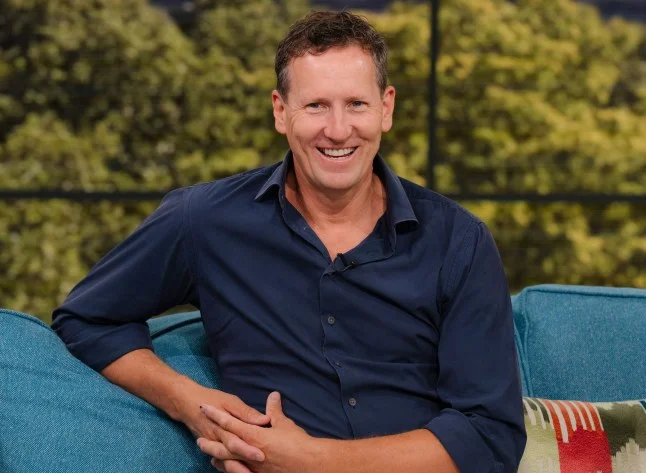
Brendan Cole’s latest criticism of Strictly Come Dancing shifts attention from his dispute with Amy Dowden to a wider question: what does an uncertain place in the series mean for its professional dancers?
Cole, 50, says the show now has more professionals in group routines who aren’t paired with celebrities. In his view, that arrangement leaves the dancers who do have partners unsure about their own standing and can affect how they respond to what the programme asks of them. It’s a complaint about how the competition is structured, as well as a comparison with the security he says he had during his own years on the show.
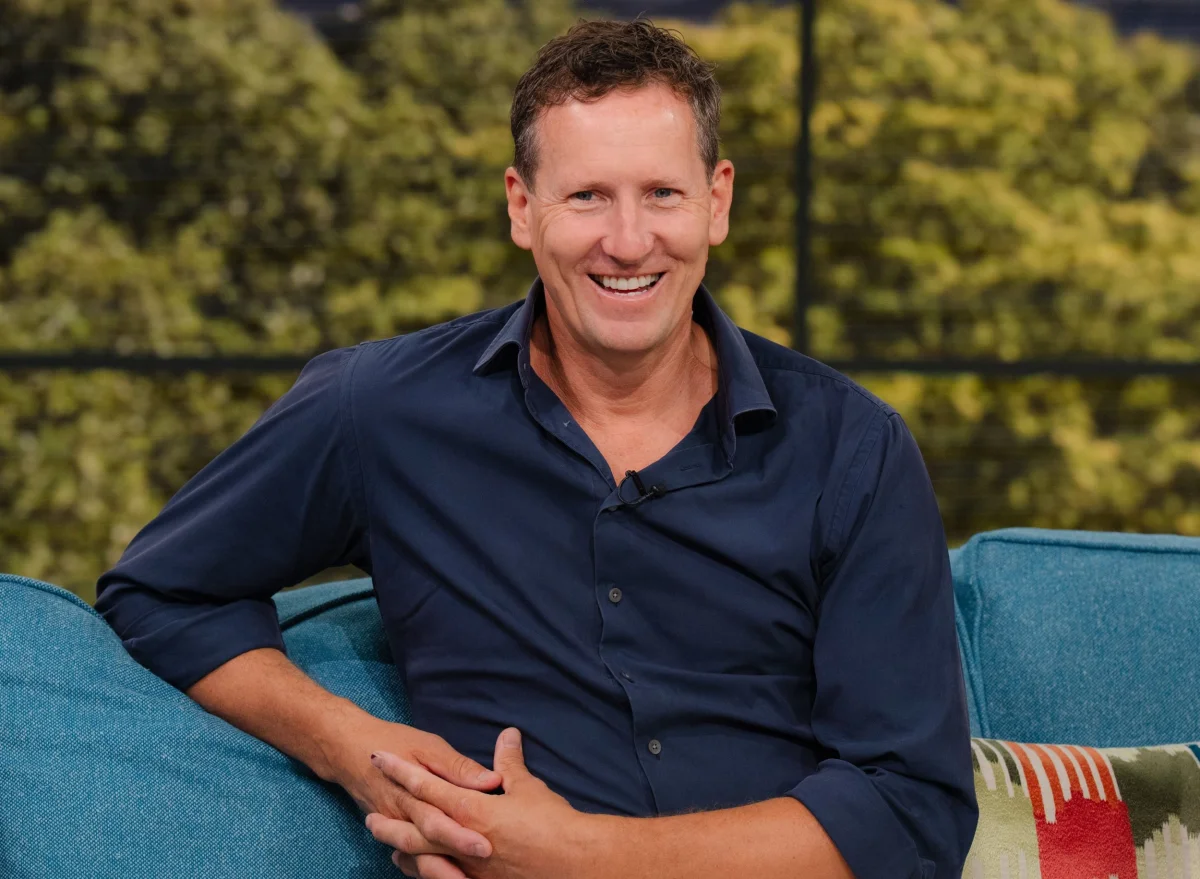
Cole made his remarks to The Sun. He said that, compared with his time on the programme, “they now have many more professional dancers in the background, in the big group numbers, propping up the show.” He argued that the expanded pool has consequences for the dancers who are assigned celebrity partners: “when you’re uncertain about your position, you make different decisions about how you react to things and what’s being asked of you.”
Cole was a professional from the show’s launch in 2004 until 2017, and says he returned each year with a partner. He described that certainty as a basic condition of the job. If he had been told his place with a celebrity partner was undecided for the following series, he said, he would have declined to return. In his account, the current arrangement gives producers more flexibility while leaving individual dancers without the same assurance.
His contrast is clear: Cole remembers a recurring place in the line-up, while today’s professionals may sign up without knowing whether they’ll be matched with a celebrity. That difference matters because a partner can define a dancer’s role in the series. Group routines keep unpaired pros visible, but they don’t offer the same competition narrative as coaching and performing with a celebrity. Cole’s comments frame that gap as a source of uncertainty, though the show’s account of how pairings are decided points to a practical reason for not promising matches in advance.
Four professionals are unpaired this series
This year, Neil Jones, Aleksandra Isaeva, Cristian Priori and Lethabo Monametsi have appeared in group routines without celebrity partners. Their participation gives the programme additional dancers for ensemble performances, while the celebrity pairings determine which professionals take part in the central competitive storyline. Cole’s criticism puts those two roles in tension: the show can use a larger group of dancers, but not everyone in that group receives a partner.
A Strictly insider offered a different explanation to the same publication. Celebrity and professional pairings, the source said, are chosen after the cast’s first day of training, when the celebrities and professionals meet and dance together. Professionals sign up months beforehand, making it impossible to know which dancers will be matched in a particular series. The insider said the show doesn’t guarantee a partner in advance because a promised pairing might not be available once training begins.
That explanation describes a process built around the cast assembled for each series. It also clarifies why the uncertainty Cole objects to may persist: the show says it can’t confirm individual pairings until the participants have danced together. The account doesn’t answer his broader concern about how an unpaired role affects a professional’s position or expectations. It does, however, set out why a guaranteed partner could create a commitment the programme might not be able to meet.
The disagreement with Amy Dowden remains in view
Cole’s remarks about the dancers arrive amid a separate row with Dowden. Earlier this month, he said, “I don’t think Amy’s been doing a very good job for the last few years,” and called her “not being ‘up to the challenge’” on the show. Dowden returned to Strictly in 2024 after beating breast cancer. Cole’s comments drew a sharp response from the Welsh dancer, who suggested he was seeking attention.
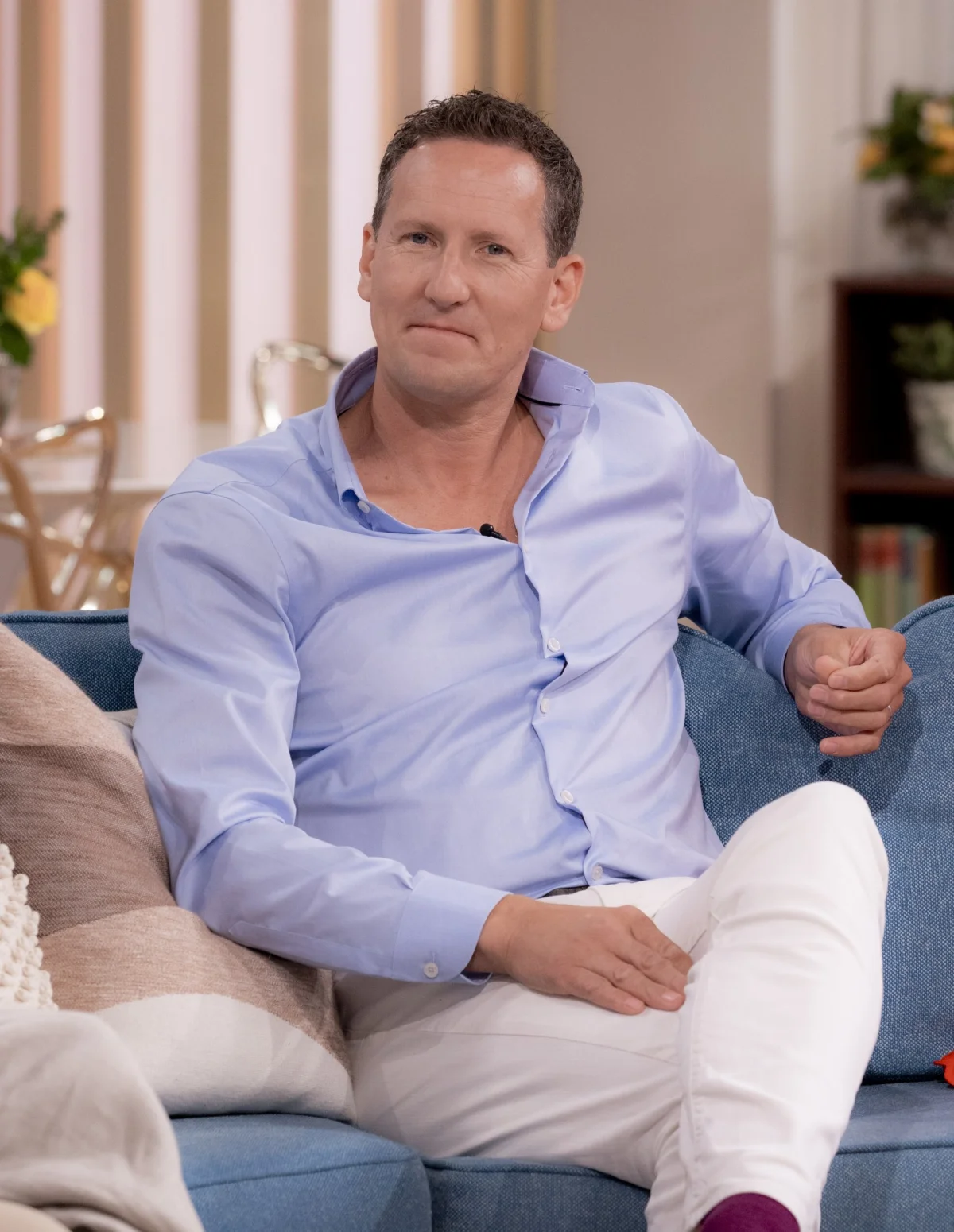
Dowden told The Mirror that she wasn’t surprised by his remarks. She said she tries not to make personal attacks, wants to set a kind example for the next generation, and hopes to use her public profile responsibly. She also pointed to her dance academy and the children who look up to her. Her response placed the focus on the example public figures set, rather than debating Cole’s assessment of her work.
Dowden and her partner, Chris Appleton, were the first couple eliminated from this series. Their exit provides the immediate context for Cole’s earlier assessment, but his new criticism concerns professional dancers’ place in the programme more broadly. The two threads now sit alongside each other: one personal exchange about Dowden’s performance, and one argument about how Strictly assigns its professionals.
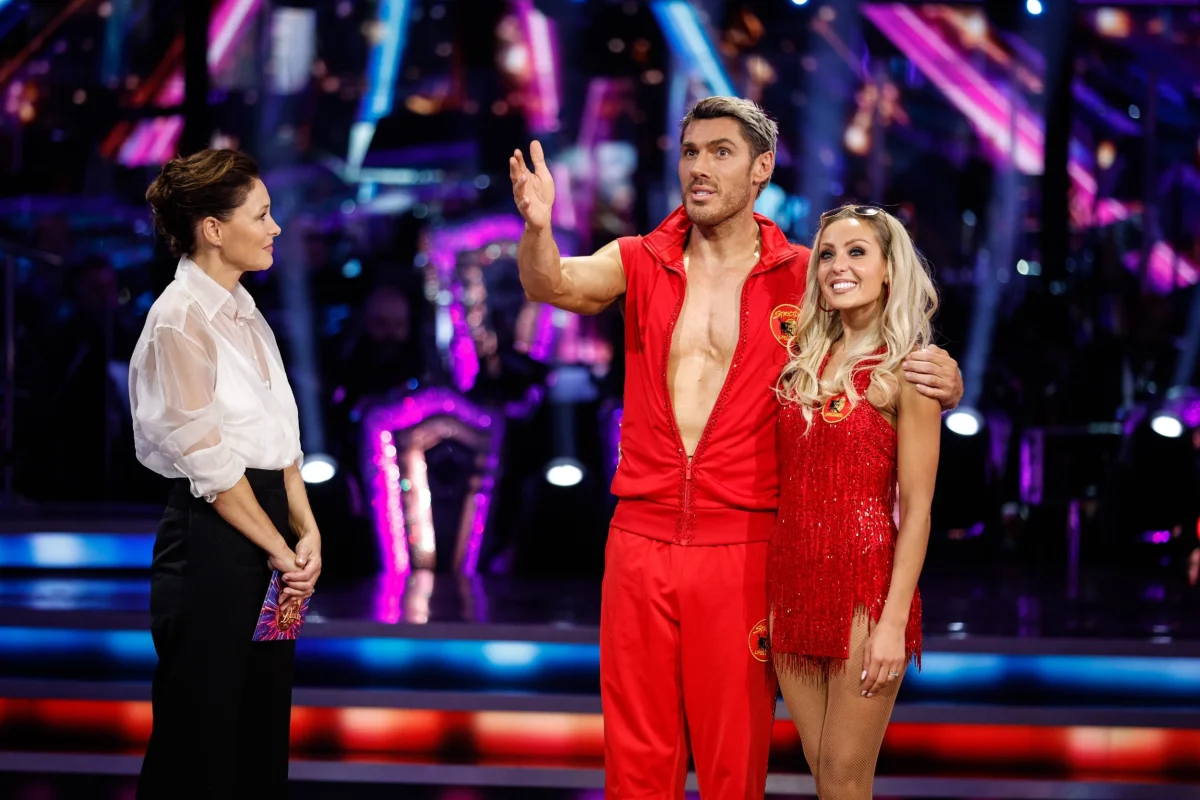
For the unpaired professionals, the central issue is whether group appearances provide enough clarity about their role in the series. Cole says the absence of a promised celebrity partner changes how secure a dancer can feel. The show’s account says pairings depend on the first training session and can’t be confirmed months earlier. As the series continues, that difference in perspective leaves the key question open: how does Strictly balance flexibility in its casting with the expectations of the dancers it brings back?
Metro has contacted the BBC for comment.